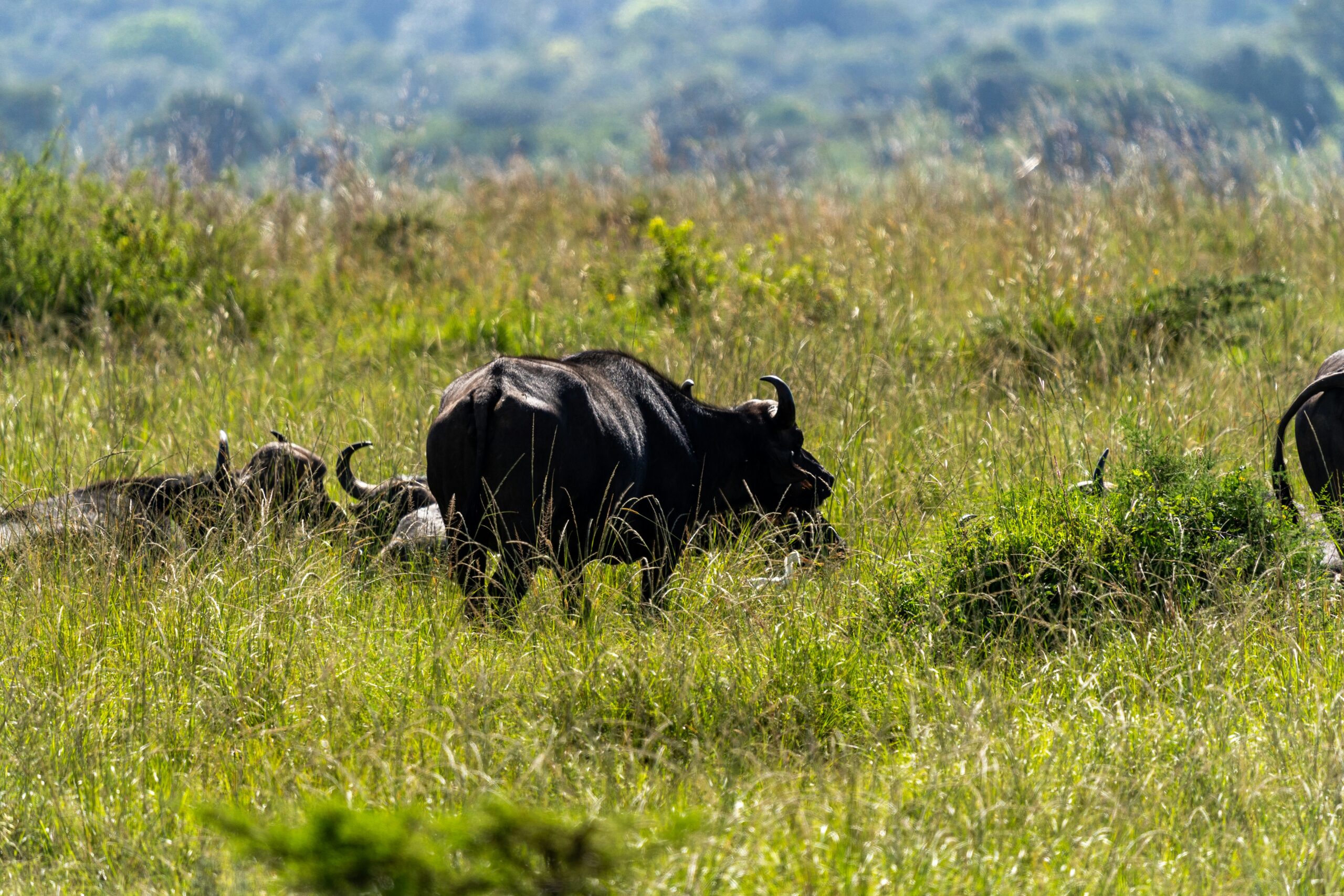
Wildlife habitat is the natural home where plants and animals live, grow, and find food. Forests, wetlands, grasslands, rivers, and oceans all serve as wildlife habitat. These places give animals shelter and space to raise their young. When we talk about preserving wildlife habitat, we mean protecting these natural areas so life can continue to thrive. This work is not only about saving animals. It is also about protecting our own future.
Wildlife Habitat Supports All Living Things
Every living thing depends on a healthy environment. Animals need clean water, fresh air, and safe shelter. Plants need healthy soil and sunlight. When wildlife habitat is strong, nature stays in balance.
Predators and prey depend on each other. Insects pollinate flowers. Birds spread seeds. Fish keep water systems balanced. Each species plays a role. If one part disappears, other parts suffer.
Preserving wildlife habitat keeps these systems working. It helps protect endangered species. It also keeps common species from becoming rare. When habitats shrink, animals have fewer places to live. Some cannot adapt fast enough and may die out.
Healthy habitats also protect biodiversity. Biodiversity means the variety of life in one area. The more diverse an area is, the stronger it becomes. Diversity helps nature recover from storms, fires, and disease. Preserving wildlife habitat keeps this diversity alive.
Human Life Depends on Healthy Habitats
Many people think wildlife habitat only matters for animals. That is not true. Humans rely on healthy ecosystems every day.
Forests clean the air by absorbing carbon dioxide. Wetlands filter water and reduce flooding. Grasslands support farming and grazing. Oceans provide food for millions of people. These benefits come from protected wildlife habitat.
When habitats are destroyed, problems grow. Floods become worse. Air quality drops. Soil erodes. Clean water becomes harder to find. These changes affect cities and rural areas alike.
Preserving wildlife habitat also supports medicine. Many modern drugs come from plants and animals found in nature. If species disappear, we lose possible cures for diseases. Protecting natural areas protects future discoveries.
Climate Change and Habitat Loss
Climate change and habitat loss are closely linked. When forests are cut down, carbon stored in trees is released into the air. This increases global warming. Wetlands that are drained no longer absorb carbon. The result is more greenhouse gases in the atmosphere.
Preserving wildlife habitat helps slow climate change. Trees and plants act as natural carbon sinks. They capture and store carbon dioxide. Oceans also absorb large amounts of carbon.
Habitat preservation also helps wildlife adapt to climate shifts. Animals need space to move when temperatures rise. If natural corridors are blocked by roads or cities, species cannot migrate. This can lead to population decline.
Protecting and restoring habitats gives animals room to survive changing conditions. It also supports climate stability for people around the world.
Economic Benefits of Preserving Wildlife Habitat
Preserving wildlife habitat also makes economic sense. Many communities depend on nature-based tourism. National parks, wildlife reserves, and protected coastlines attract millions of visitors each year. These visitors support local jobs and businesses.
Fishing and agriculture also rely on healthy ecosystems. If rivers are polluted or forests disappear, industries suffer. Short-term profit from land clearing often leads to long-term loss.
Restoring damaged habitats can create jobs. Projects that plant trees, rebuild wetlands, or protect coral reefs require skilled workers. These efforts support both the environment and the economy.
Investing in wildlife habitat preservation saves money over time. Natural systems reduce the need for expensive solutions. For example, wetlands can protect against floods better than concrete barriers in some areas.
The Moral Responsibility to Protect Nature
Humans share the planet with millions of species. Each has value, even if it does not directly benefit us. Preserving wildlife habitat shows respect for life.
Future generations deserve to see wild animals in their natural homes. Children should have the chance to explore forests, watch birds, and learn about ecosystems. If we destroy habitats now, future generations lose these experiences.
Caring for wildlife habitat also reflects compassion. Many species suffer due to human actions such as pollution, deforestation, and urban growth. Taking steps to protect natural areas is a way to correct these harms.
Everyday Actions That Make a Difference
Large organizations and governments play a key role in preserving wildlife habitat. However, individuals can also help.
Supporting conservation groups makes a real impact. Choosing products made with sustainable materials reduces pressure on forests. Reducing plastic use protects oceans and marine wildlife habitat. Saving energy lowers carbon emissions.
Planting native plants in yards can create small habitats for birds and insects. Avoiding harmful chemicals keeps soil and water clean. Even simple actions like recycling help reduce landfills that damage natural areas.
Community involvement matters. Local cleanups, tree planting events, and habitat restoration projects bring people together. These efforts strengthen both ecosystems and communities.
A Shared Effort for a Stronger Planet
Preserving wildlife habitat is not a small issue. It touches climate, health, economy, and ethics. Healthy habitats support animals, protect biodiversity, and provide resources for people. They reduce climate change impacts and strengthen local economies.
The loss of wildlife habitat happens quickly. Urban growth, pollution, and resource extraction continue to threaten natural spaces. Action must also move quickly.
By valuing wildlife habitat and taking steps to protect it, society builds a safer and more stable future. The planet’s health depends on balanced ecosystems. Our well-being depends on them too.
Preserving wildlife habitat is an investment in life itself. It protects the beauty of nature, the strength of our environment, and the future of generations to come.