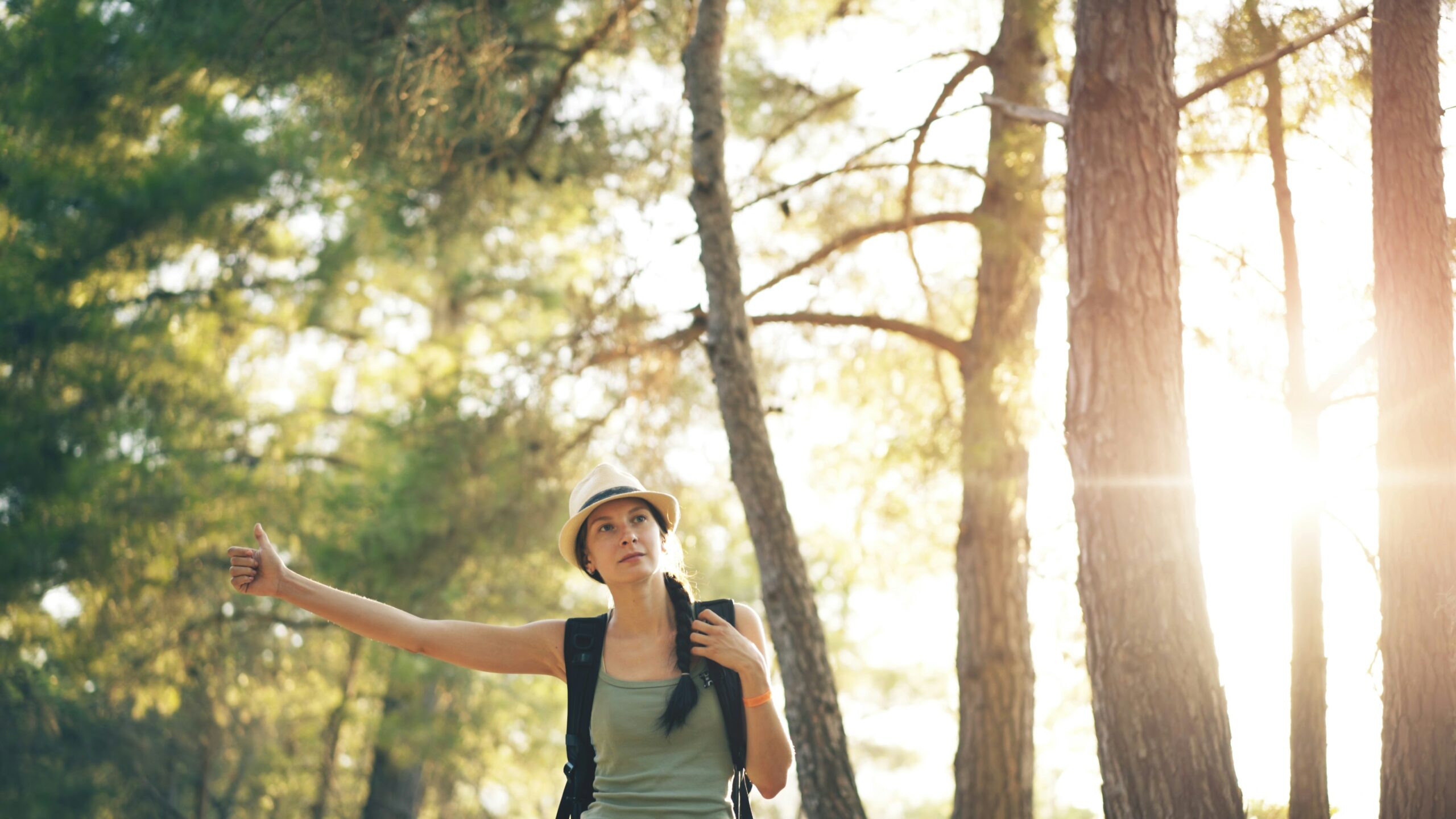
Camping has long been one of the most cherished outdoor activities for those seeking adventure, relaxation, and a closer connection with nature. From quiet forests and mountain landscapes to lakeside retreats and desert plains, camping offers an escape from busy urban environments. Many individuals find that spending time outdoors helps them slow down and appreciate the natural beauty around them.
The appeal of camping lies in its simplicity. Setting up a tent, cooking over a campfire, and sleeping beneath the stars creates an experience that feels both refreshing and meaningful. Unlike many modern activities that depend heavily on technology, camping encourages people to disconnect from digital distractions and reconnect with the natural world.
The History and Evolution of Camping
Camping has existed in some form for centuries, originally as a practical necessity rather than a recreational activity. Early explorers, traders, and travelers often camped during long journeys across unfamiliar lands. Temporary shelters allowed them to rest safely while continuing their travels.
Over time, camping evolved into a popular leisure activity. In the late nineteenth and early twentieth centuries, outdoor enthusiasts began exploring nature for enjoyment rather than survival. National parks and protected natural areas opened new opportunities for people to experience camping as a form of recreation. Today, camping continues to evolve with modern equipment and diverse outdoor destinations that attract adventurers from around the world.
Connecting with Nature Through Camping
One of the greatest benefits of camping is the opportunity to reconnect with nature. Natural landscapes offer peaceful surroundings that encourage relaxation and reflection. Forests filled with tall trees, quiet lakes reflecting the sky, and open mountain views all create environments that inspire calm and appreciation for the natural world.
Camping also encourages observation of wildlife and natural processes. Birds singing at dawn, insects buzzing through wildflowers, and the changing colors of a sunset remind campers of nature’s beauty and complexity. These experiences help people develop a deeper respect for the environment and the ecosystems that support life.
Physical and Mental Health Benefits of Camping
Camping provides both physical and mental health benefits that contribute to overall well-being. Spending time outdoors encourages physical activity such as hiking, gathering firewood, and exploring natural landscapes. These activities improve fitness while allowing people to enjoy fresh air and natural surroundings.
The mental health benefits of camping are equally valuable. Nature has a calming effect that helps reduce stress and improve mood. Away from crowded cities and constant digital communication, campers often experience greater clarity and emotional balance. Even a short camping trip can leave people feeling refreshed and reconnected with themselves.
Choosing the Right Location for Camping
Selecting the right location is an important part of a successful camping experience. Some campers prefer established campgrounds that provide facilities such as restrooms, picnic tables, and designated fire areas. These locations offer convenience while still allowing visitors to enjoy outdoor environments.
Others choose more remote wilderness areas where the experience feels more adventurous. Backpacking trips often involve hiking deep into forests or mountains to reach quiet campsites far from crowds. Each location type offers unique advantages, and the best choice often depends on a camper’s level of experience and personal preferences.
Essential Camping Gear and Preparation
Proper preparation is key to ensuring a safe and enjoyable camping trip. Basic equipment typically includes a tent, sleeping bag, cooking supplies, and weather-appropriate clothing. A reliable shelter protects campers from rain and wind while providing a comfortable place to rest at night.
Food preparation is another important consideration. Many campers bring portable stoves or cook meals over campfires. Simple meals prepared outdoors often taste especially satisfying after a day of exploring. Careful preparation and packing essential supplies help ensure campers remain comfortable throughout their adventure.
Campfire Traditions and Outdoor Cooking
Campfires are often considered the heart of the camping experience. The warm glow of a fire creates a welcoming atmosphere where campers gather to share stories, cook meals, and enjoy quiet conversations. The crackling sound of burning wood adds to the peaceful setting of a campsite.
Outdoor cooking around a campfire can become a memorable part of the trip. Roasting food over an open flame or preparing meals in cast-iron cookware adds a sense of tradition to the experience. These simple moments often become lasting memories for families and friends who share the adventure.
Camping as a Social and Family Activity
Camping is an activity that brings people together in meaningful ways. Families often use camping trips as opportunities to strengthen relationships and create lasting memories. Children learn valuable outdoor skills as they explore forests, lakes, and mountains with their parents.
Friends also enjoy camping as a shared adventure that encourages teamwork and cooperation. Setting up tents, gathering supplies, and exploring nearby trails become collaborative experiences that build strong bonds. The absence of everyday distractions allows people to focus on spending quality time together.
Respecting Nature Through Responsible Camping
Responsible camping practices help protect natural environments so that future generations can enjoy them as well. Campers are encouraged to follow principles that minimize their impact on the land. Respecting wildlife, properly disposing of waste, and leaving campsites clean are essential parts of responsible outdoor behavior.
Preserving natural landscapes ensures that camping remains sustainable. When visitors treat natural spaces with care and respect, ecosystems remain healthy, and wildlife habitats stay protected. Responsible camping allows people to enjoy nature while maintaining the delicate balance of the environment.
Camping and Outdoor Exploration
Camping often serves as a gateway to broader outdoor adventures. Many campers combine their trips with activities such as hiking, fishing, kayaking, or wildlife photography. These experiences add excitement and variety to outdoor travel.
Exploring new landscapes also expands appreciation for the diversity of natural environments. Mountain trails, desert valleys, coastal cliffs, and dense forests each offer unique scenery and wildlife. Camping allows travelers to experience these landscapes in a more immersive and meaningful way than traditional tourism.
The Future of Camping in a Modern World
As modern lifestyles become increasingly busy and technology-driven, camping offers a valuable opportunity to reconnect with simpler experiences. Many people are rediscovering the joy of spending time outdoors and appreciating the benefits that nature provides.
Innovations in camping equipment have also made outdoor adventures more accessible. Lightweight gear, improved tents, and advanced navigation tools allow campers of all experience levels to explore nature safely. Despite these changes, the core appeal of camping remains the same: the chance to experience freedom, adventure, and peace in the natural world.
Camping remains one of the most rewarding ways to experience nature’s beauty. Whether spending a quiet evening beside a forest campfire or exploring distant mountain landscapes, camping offers moments of reflection and adventure that are difficult to find elsewhere.
As interest in outdoor camping adventures and nature exploration grows, more people are discovering the benefits of disconnecting from daily routines and reconnecting with the natural environment. Through responsible practices and a spirit of curiosity, camping will remain a cherished outdoor tradition for generations to come.