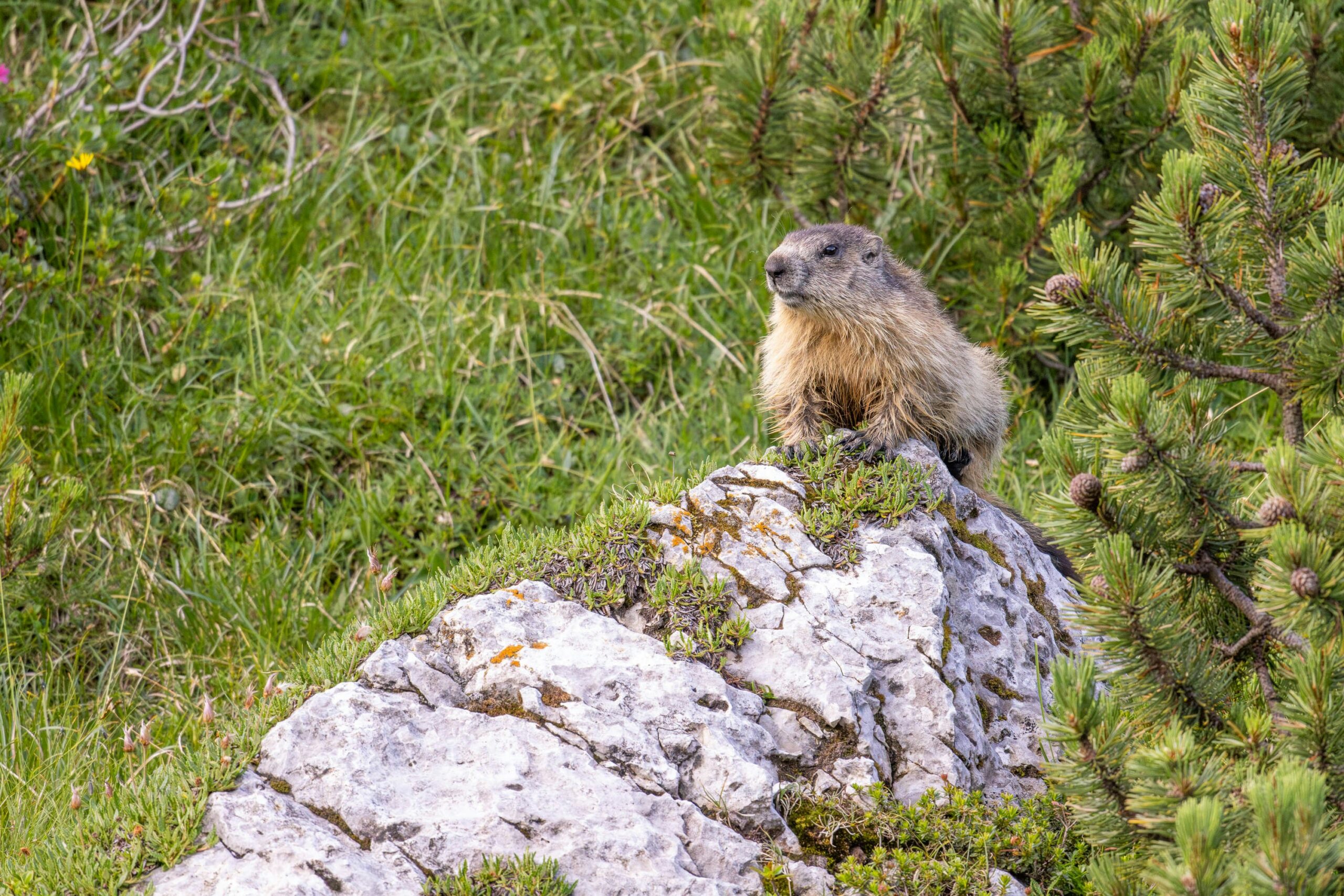
Preserving natural habitats and ecosystems is critical to maintaining biodiversity, ensuring clean air and water, and supporting the survival of countless species. Human activities such as deforestation, urbanization, and pollution have put immense pressure on natural environments, making it essential to adopt effective strategies to protect them. By understanding and implementing practical approaches, we can minimize damage, restore balance, and create sustainable relationships with nature.
Community-Led Conservation Initiatives
Local communities play a vital role in protecting ecosystems. When residents actively participate in conservation programs, they become stewards of the environment, advocating for sustainable practices that preserve their surroundings. Community-led initiatives often include habitat restoration projects, wildlife monitoring, and educational campaigns, which raise awareness and encourage responsible behavior. When people see the direct impact of their efforts, they are more likely to continue supporting conservation goals.
These initiatives are particularly effective because they combine local knowledge with environmental expertise. Community members often understand the land, water systems, and wildlife patterns better than external authorities, enabling practical, culturally relevant strategies. By engaging communities, governments, and environmental organizations, conservation efforts can be long-lasting and adaptable to changing conditions.
Protected Areas and Legal Safeguards
Establishing protected areas, such as national parks, wildlife reserves, and marine sanctuaries, is one of the most effective ways to conserve habitats. These zones restrict activities that could harm ecosystems, such as logging, mining, or uncontrolled tourism. By creating legal boundaries, authorities can manage natural resources, monitor wildlife populations, and prevent encroachment on sensitive areas.
Legal frameworks also provide mechanisms to enforce environmental laws. Regulations related to pollution control, land use, and species protection ensure that both individuals and businesses comply with sustainable practices. Strong enforcement, combined with regular monitoring, reduces illegal activities that threaten ecosystems. This approach safeguards biodiversity and maintains the ecological balance needed for a healthy planet.
Habitat Restoration and Reforestation
Restoring degraded habitats helps revive ecosystems affected by human intervention or natural disasters. Reforestation projects, wetland rehabilitation, and soil stabilization efforts improve air quality, prevent erosion, and support wildlife. By reintroducing native plants and trees, these programs restore ecological functions and provide food and shelter for animals, which encourages biodiversity recovery.
Restoration projects also offer opportunities to engage volunteers, students, and local communities. Hands-on involvement increases awareness of environmental challenges and fosters a sense of responsibility for protecting ecosystems. Over time, these efforts can reverse damage, improve resilience to climate change, and create healthier, more sustainable landscapes for future generations.
Sustainable Land Use Practices
Adopting sustainable land-use practices is essential to reducing habitat loss. Agricultural systems that integrate crop rotation, organic farming, and reduced pesticide use minimize soil degradation and water contamination. Urban planning that prioritizes green spaces, wildlife corridors, and eco-friendly infrastructure ensures that human development does not compromise natural habitats.
Sustainable practices extend to forestry and fisheries as well. Implementing selective logging, maintaining buffer zones, and regulating fishing activities prevent overexploitation of resources. These methods allow communities to benefit from natural resources while preserving the ecosystems that support them. By balancing economic needs with environmental protection, sustainable land use creates long-term solutions for both humans and wildlife.
Controlling Invasive Species
Invasive species can significantly disrupt ecosystems by outcompeting native flora and fauna. Controlling their spread is critical to maintaining biodiversity and ecosystem stability. Prevention strategies include monitoring the introduction of non-native species, enforcing regulations on plant and animal trade, and educating the public about the risks of invasive species.
When invasions occur, active management such as physical removal, habitat modification, or targeted biological controls can reduce their impact. These measures help native species recover, restore food chains, and maintain ecosystem balance. Controlling invasive species requires ongoing effort, stakeholder collaboration, and careful planning to ensure interventions do not cause unintended consequences.
Promoting Environmental Education
Environmental education fosters a sense of responsibility and encourages protective behavior among individuals and communities. Schools, local organizations, and media campaigns can teach people about the importance of habitats, the threats they face, and practical conservation steps. Knowledgeable citizens are more likely to support policies, participate in restoration projects, and adopt sustainable practices.
Education also helps bridge the gap between science and public understanding. By making ecological concepts accessible and relatable, people can appreciate how their choices impact ecosystems. This awareness drives long-term behavioral change, empowering communities to become active participants in conservation rather than passive observers.
Encouraging Eco-Friendly Consumption
Consumer choices directly affect natural habitats and ecosystems. Reducing waste, choosing sustainable products, and supporting companies with environmentally responsible practices help decrease pressure on natural resources. Simple actions such as minimizing plastic use, conserving energy, and opting for locally produced goods help protect ecosystems.
Eco-friendly consumption also extends to supporting ethical tourism. Travelers who respect wildlife, follow local guidelines, and reduce environmental footprints contribute to habitat preservation. By making conscious choices, individuals can collectively influence market trends and promote a culture of sustainability that benefits both nature and society.
Collaboration Between Governments and Organizations
Effective protection of ecosystems requires collaboration between governments, environmental organizations, and local communities. Governments can provide funding, create policies, and enforce regulations, while NGOs bring expertise, research, and hands-on experience. Partnerships among these entities enhance conservation efforts, improve resource management, and enable large-scale initiatives that might not be feasible on their own.
International cooperation is equally important. Many ecosystems, such as rainforests, oceans, and migratory routes, cross national borders. Collaborative agreements and treaties help ensure that conservation efforts are coordinated, resources are shared, and global biodiversity is protected. By working together, stakeholders can address ecological challenges on a broader scale and achieve meaningful results.
Supporting Scientific Research
Scientific research is fundamental to understanding ecosystems and developing effective conservation strategies. Studies on species behavior, population dynamics, climate impact, and habitat requirements provide critical insights for policymakers and environmental managers. This knowledge enables targeted interventions, more efficient resource allocation, and the anticipation of ecological changes.
Research also drives innovation in habitat restoration, sustainable agriculture, and pollution management. Technological advancements, such as satellite monitoring, data modeling, and environmental sensors, enable scientists to detect problems early and implement solutions proactively. Supporting research ensures that conservation efforts are evidence-based, adaptive, and capable of meeting future ecological challenges.
Protecting natural habitats and ecosystems requires a combination of community involvement, legal safeguards, habitat restoration, sustainable practices, and scientific research. Every individual, organization, and government has a role to play in preserving biodiversity and maintaining the ecological balance that supports life on Earth. By adopting these strategies, we can ensure that natural environments continue to thrive, provide essential resources, and support the well-being of both wildlife and humans.