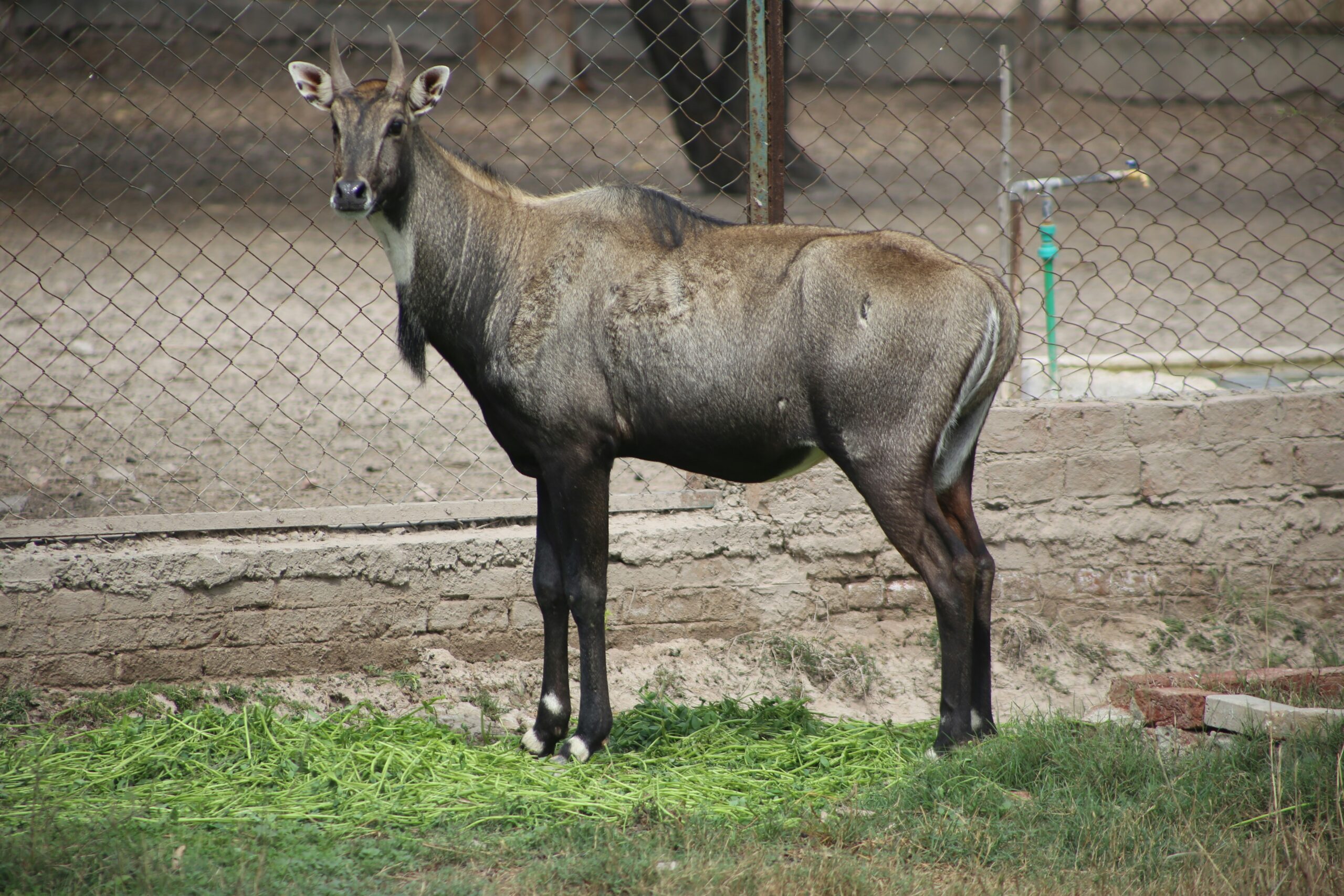
Preserving wildlife habitat is not just about saving animals in distant forests or remote oceans; it directly affects human life and the planet’s long-term stability. To begin with, natural habitats support complex ecosystems that provide clean air, fresh water, fertile soil, and a balanced climate. When people protect these environments, they also protect the systems that quietly sustain everyday life across the globe.
At the same time, habitat destruction continues at an alarming pace due to deforestation, urban expansion, pollution, and climate change. As ecosystems shrink or disappear, wildlife struggles to survive, and ecological balance weakens. Understanding why preserving wildlife habitat matters helps societies make informed decisions that benefit both nature and humanity.
Biodiversity Depends on Healthy Habitats
First of all, wildlife habitats serve as homes where plants and animals find food, shelter, and space to reproduce. Each species plays a unique role in its ecosystem, from pollinating plants to controlling pest populations. When habitats remain intact, biodiversity thrives, and ecosystems stay resilient against disease and environmental changes.
In addition, habitat loss often leads to species extinction, disrupting entire food webs. When one species disappears, others that depend on it may also decline. This chain reaction reduces ecosystem stability and limits nature’s ability to recover from disturbances, making habitat preservation essential for maintaining life’s diversity.
Human Survival Is Closely Linked to Nature
Equally important, humans rely on healthy ecosystems for essential resources such as food, medicine, and raw materials. Forests regulate rainfall, wetlands reduce flooding, and oceans support fisheries that feed millions. By preserving wildlife habitats, people safeguard these natural services that economies and communities depend on daily.
Moreover, many modern medicines originate from plants and organisms found in natural habitats. As habitats disappear, potential medical breakthroughs may vanish before scientists even discover them. Protecting wildlife habitats, therefore, supports innovation and public health while ensuring future generations can benefit from nature’s resources.
Climate Change Mitigation Starts with Habitat Protection
Notably, natural habitats play a decisive role in combating climate change. Forests absorb carbon dioxide, grasslands store carbon in soil, and mangroves protect coastlines from storms while trapping greenhouse gases. Preserving these ecosystems helps slow global warming and reduces the severity of climate-related disasters.
On the other hand, habitat destruction releases stored carbon back into the atmosphere, accelerating climate change. Deforestation and land degradation weaken Earth’s natural defense systems. By conserving wildlife habitats, societies take a proactive step toward stabilizing the climate and protecting vulnerable communities worldwide.
Economic Stability Grows from Conservation
Interestingly, preserving wildlife habitat also strengthens local and global economies. Eco-tourism, sustainable fishing, and responsible forestry create jobs while maintaining natural resources. Communities that invest in conservation often see long-term economic benefits rather than short-lived profits from exploitation.
Furthermore, restoring and protecting habitats reduces costs linked to natural disasters, water treatment, and healthcare. Healthy ecosystems naturally filter water, prevent soil erosion, and reduce disease transmission. As a result, conservation becomes a smart economic strategy that saves money while protecting the environment.
Community Action Makes Conservation Possible
To move forward, community involvement is crucial to preserving wildlife habitats. Local communities often live closest to natural environments, so their daily choices directly affect ecosystems. When people support conservation programs, practice sustainable land use, and advocate for environmental protection, they help reduce habitat loss and promote coexistence between humans and wildlife.
In the same way, education and awareness empower communities to take meaningful action. Schools, local organizations, and conservation groups can inspire individuals to value nature and protect it responsibly. As more people understand the importance of wildlife habitats, collective efforts grow stronger, creating lasting positive change for ecosystems and future generations.
Ethical Responsibility and Future Generations
Above all, preserving wildlife habitat reflects a moral responsibility to respect life on Earth. Animals and plants have intrinsic value beyond their usefulness to humans. Protecting their homes demonstrates compassion and acknowledges humanity’s role as a steward rather than a destroyer of nature.
Finally, future generations deserve a planet rich in wildlife and natural beauty. By acting now to preserve habitats, people ensure children inherit a world where ecosystems function correctly and wildlife continues to inspire wonder. Conservation today shapes a healthier, more balanced tomorrow for all living beings.
Preserving wildlife habitat matters because it connects biodiversity, human survival, climate stability, economic strength, and ethical responsibility into one powerful mission. When societies protect nature, they defend themselves, proving that environmental conservation is not a luxury but a necessity for a sustainable future.