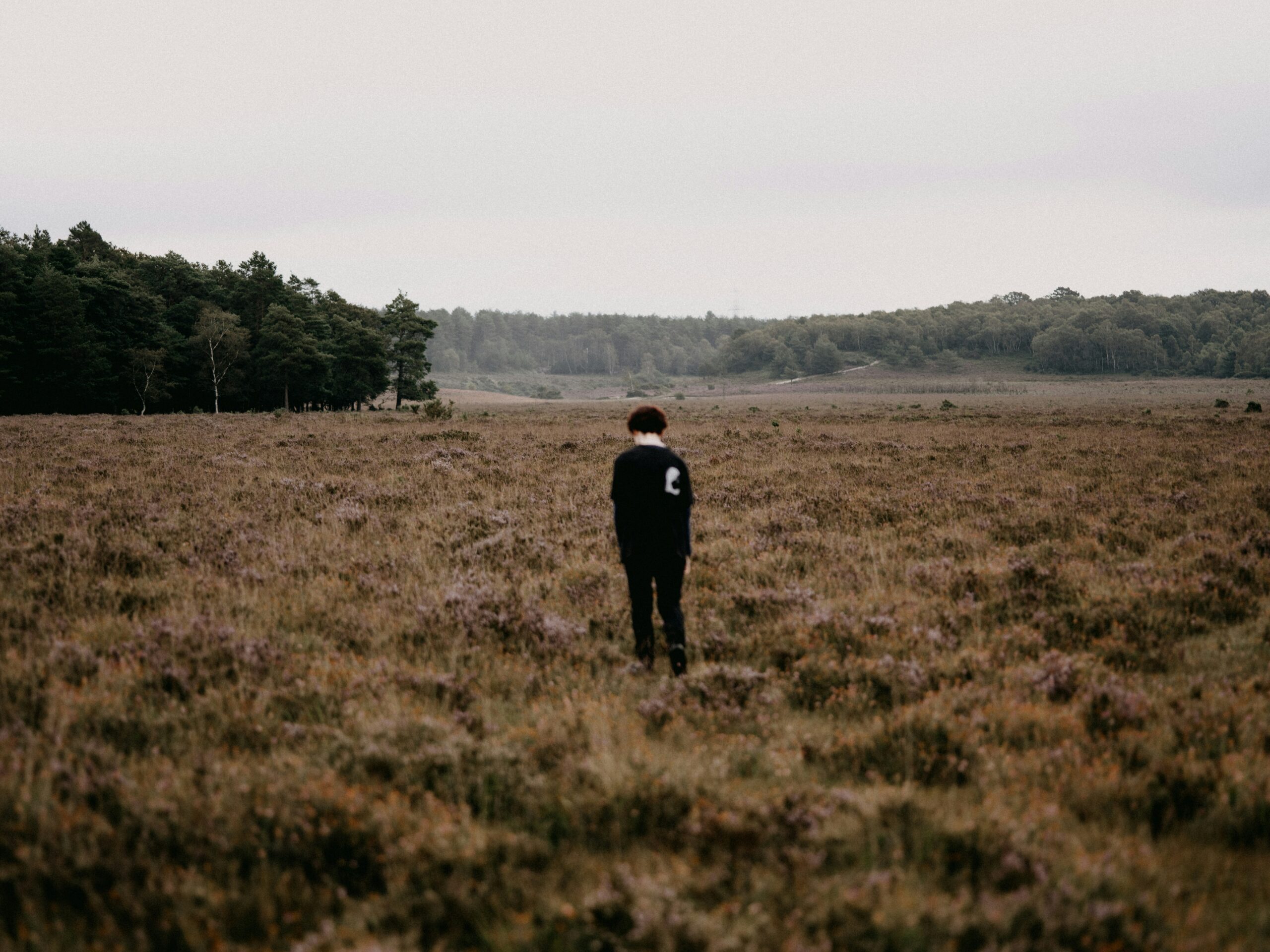
There is something deeply calming about walking into the wild. It’s not just the trees or the distant calls of birds. It’s quiet. A real, deep silence that wraps around you like a blanket. In a world that never stops talking, the wild becomes a rare refuge. It does not demand attention.
This silence speaks is not empty. It’s full of hidden voices—of wind through pine needles, of water gently hitting rocks, of your own heartbeat finding a new rhythm. For many, escaping into the wild is not just a break from routine. It’s a return to something older and simpler. It’s a moment of connection with a world that has existed long before us, and will continue long after.
Nature’s Unspoken Language
When you walk through a forest or sit beside a river, you begin to notice how much nature speaks. But it does so without words. A fallen leaf tells a story of change. A quiet animal track in the mud shows a path taken in the dark of night. A sudden breeze can shift your focus, slow your breath, and bring you back to the present moment.
This language of the wild is subtle, but powerful. It does not try to impress. And the more time you spend in nature, the more fluent you become in this quiet way of communication. The silence is not the absence of sound, but the presence of calm.
Relearning How to Breathe
Modern life pulls us in many directions. Phones ring. Notifications flash. Cities throb with movement and noise. Our breaths become shallow, our thoughts scattered. Stepping into the wild resets that rhythm. In the open air, breathing slows down without effort. The body feels lighter, not because it is doing less, but because it is doing what it was built to do.
In this stillness, we relearn how to breathe. Not just with our lungs, but with our whole being. We inhale fresh pine-scented air. We exhale stress we didn’t even know we held. The wilderness permits us to let go. And we do, quietly, with each breath, without needing a reason.
Time Moves Differently Here
In the wild, time stretches. No clocks are ticking on walls, no meetings to rush to, no alarms to shake us awake. The sun becomes our guide. The shadows shift slowly, reminding us of the pace life once had. We wake with light and sleep when darkness falls. Meals are eaten when hunger calls, not when a lunch break begins.
This slower rhythm doesn’t make us lazy. It makes us mindful. We start to notice things: the way moss grows only on one side of a tree, or how animals freeze before fleeing. The world becomes richer, not through stimulation, but through observation. Time in the wild teaches us that not every moment needs to be filled. Some need to be lived.
Finding Solitude, Not Loneliness
Many fear being alone in nature. The silence can seem too loud, the space too wide. But something shifts once you settle in. Solitude becomes comforting, not cold. It allows you to meet yourself again. In cities, we often perform. In the wild, there’s no one to impress. There’s no need to speak, no pressure to react.
This solitude helps us listen. We hear our thoughts more clearly. We notice the small voice that gets drowned out in daily noise. It may bring peace or even challenge us, but it’s honest. And honesty, even when hard, can heal. Nature gives us space to feel without fear.
Every Step Grounds You
Walking in nature is different from walking on a treadmill or down a sidewalk. Each step matters. The ground is uneven. Roots stretch out like arms. Stones shift. You watch where you place your foot. You stay present. In doing so, your mind begins to follow your body’s lead. It too becomes grounded.
The act of walking, simple as it seems, becomes a meditation. There’s no destination, only movement. And in that movement, stress begins to melt. Worries about tomorrow fade into the trees. The only thing that matters is where you are now. And that, it turns out, is enough.
Rediscovering Awe
It’s easy to forget wonder in daily life. We scroll through pictures, swipe through stories, rush through tasks. But the wild has a way of waking up awe—a sunrise over a still lake. A deer stepping into view. The shock of stars in a sky without city lights. These moments stop us, make us gasp, make us feel something deep and pure.
Awe reminds us we’re part of something vast. It humbles without making us feel small. It connects us, without needing to explain how. In the presence of mountains, rivers, or endless fields, we remember how to look with wide eyes again. We recognize that magic still exists—outside screens, outside schedules.
Healing in the Quiet
There is a kind of healing that doesn’t come from medicine or words. It comes from the absence of both. When the mind slows, the body follows. Stress fades, blood pressure drops, tension releases. Scientists call this nature therapy. But anyone who’s ever sat by a stream or walked through a foggy forest knows it without needing a study.
The wild doesn’t promise to fix everything. But it offers something real. It offers space. Space to think, feel, breathe, and be. In this space, healing begins—not with noise, but with silence. Not with doing, but with simply being there.
Leaving, But Not Losing
Eventually, we must return. The forest gives us time, but not forever. We step back into cars, buses, and cities. The noise returns. But we carry something back with us. The silence of the wild stays in our bones. It softens our responses. It helps us listen better, speak slower, and pause before we react.
This doesn’t mean we never struggle again. But the memory of stillness becomes a tool. We remember what it felt like to just be. And that memory helps us find moments of peace, even in chaos. Nature, once visited, lives inside us. It doesn’t leave. We learn how to return to it—even in spirit—when we need it most.