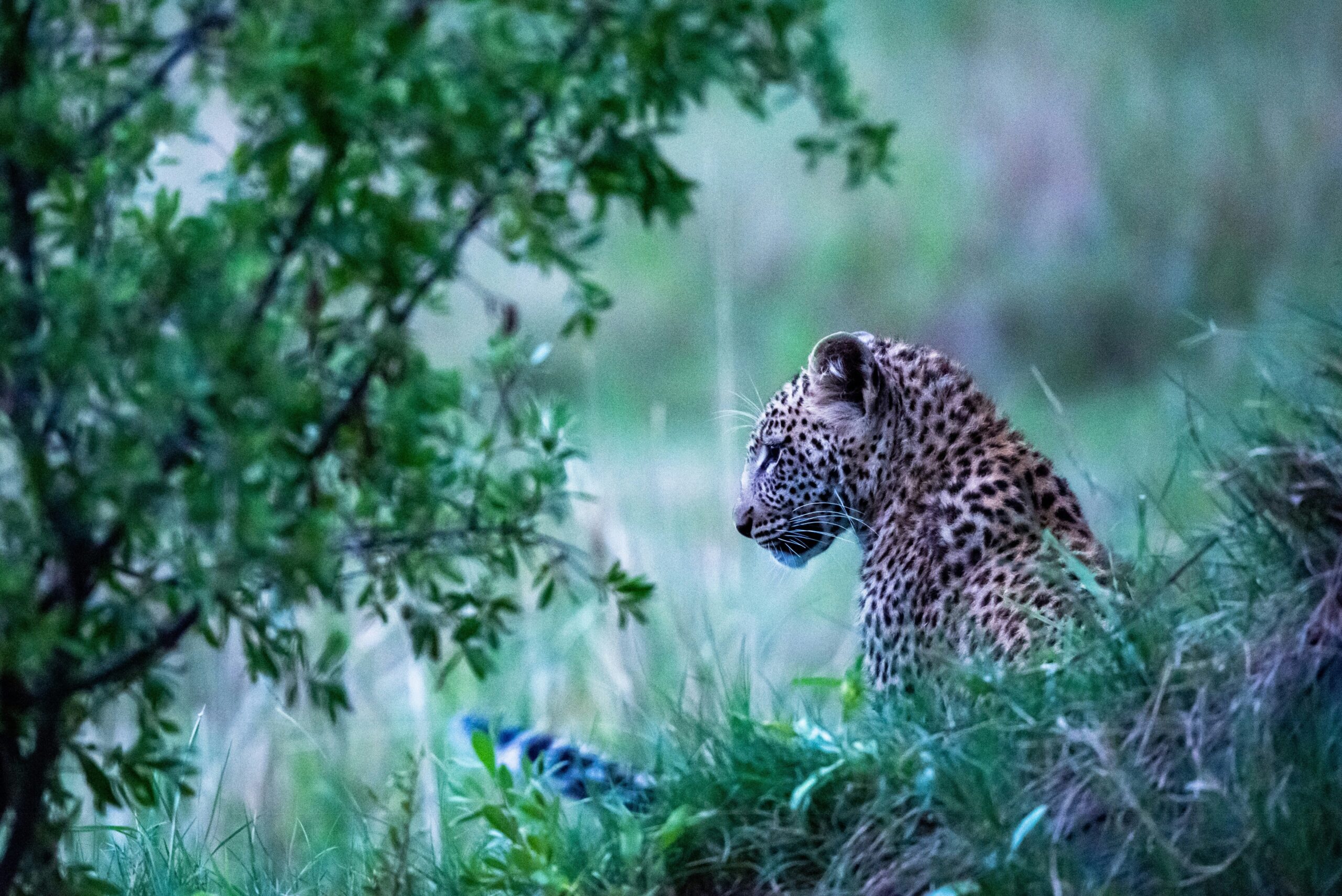
As human development continues to expand, the natural world faces increasing pressure, and wildlife habitats often bear the most significant burden. These spaces provide shelter, food, and breeding grounds for countless species. Because of this, habitat loss remains one of the most urgent environmental challenges of our time. Although people often focus on visible issues like pollution, habitat destruction quietly threatens ecosystems on a broader scale. As communities grow, it becomes essential to understand why preserving wildlife habitats matters and how these spaces support the long-term balance of nature.
The Role of Habitats in Biodiversity
Wildlife habitats serve as the foundation of biodiversity, and biodiversity ensures the stability of ecosystems. Each species, no matter how small, plays a distinct role in maintaining the harmony of the natural world. When animals have access to healthy habitats, they can find food, reproduce, and interact in ways that sustain their populations. Because these interactions strengthen entire ecosystems, protecting habitats becomes a crucial step toward maintaining biodiversity. Moreover, when habitats vanish, species lose their ability to thrive, and the collapse of one species can disrupt many others. Therefore, preserving habitats supports not only individual animals but also the entire network of life to which they are connected.
How Habitat Loss Threatens Ecosystems
Habitat destruction disrupts ecological balance, and its effects reach far beyond the affected area. When forests are cleared, wetlands are drained, or oceans are polluted, animals lose the resources they rely on for survival. As a result, their populations decline, and ecosystems grow unstable. This instability often triggers a chain reaction that harms other species as well. For instance, when predators lose access to prey due to habitat changes, they may move into new areas, creating conflicts with humans. Meanwhile, other species may struggle to adapt, which leads to reduced genetic diversity. Because healthy ecosystems depend on strong and diverse populations, habitat loss undermines long-term resilience.
Human Benefits from Healthy Habitats
While wildlife gains clear advantages from healthy habitats, people also rely on these spaces for essential benefits. Forests, oceans, and wetlands offer natural services that support human life. For example, forests help clean the air, regulate the climate, and store carbon. Wetlands reduce flooding and filter water, while oceans support fisheries that feed communities worldwide. These benefits remain tied to the health of wildlife populations, meaning that habitat damage eventually affects people. When habitats decline, natural systems lose their ability to function, and communities face greater risks. Because humans depend on balanced ecosystems, habitat preservation becomes both an environmental and societal priority.
The Economic Importance of Wildlife Habitats
Beyond environmental benefits, wildlife habitats contribute to economic stability. Tourism, agriculture, and fishing industries often rely on thriving ecosystems. When habitats remain intact, they attract visitors who seek natural scenery and wildlife experiences. In addition, farmers depend on pollinators like bees and butterflies, which need strong habitats to survive. Healthy oceans support fishermen whose livelihoods depend on stable fish populations. Because of this, protecting habitats helps sustain local economies and prevents long-term financial losses. As communities recognize these economic advantages, they grow more motivated to support conservation efforts.
Climate Change and Habitat Preservation
Climate change continues to reshape the environment, and wildlife habitats face increasing stress. Rising temperatures, extreme weather, and shifting seasons all affect how animals survive. When these changes occur, habitats that once supported particular species may no longer offer the same resources. As a result, animals move to new regions, and ecosystems shift in unpredictable ways. However, preserving significant, connected habitats gives species a better chance to adapt. These spaces provide room for migration, adjustment, and resilience. Therefore, habitat preservation plays a vital role in helping wildlife cope with climate challenges and maintain ecological balance.
Community Involvement in Conservation
Communities play a key role in protecting wildlife habitats because local action often leads to meaningful change. When residents understand the value of nearby forests, rivers, and grasslands, they grow more invested in their protection. Schools, local organizations, and volunteers can support conservation through education, advocacy, and restoration projects. These efforts create awareness and encourage responsible use of natural spaces. Moreover, when communities collaborate with conservation groups, they strengthen long-term strategies for habitat protection. This shared responsibility fosters a sense of connection to nature and inspires future generations to value environmental stewardship.
Technology and Modern Conservation
Advancements in technology continue to transform conservation efforts, offering new ways to preserve wildlife habitats. Scientists now use satellite imagery, drones, and mapping tools to monitor land, track species, and identify vulnerable areas. These tools help detect illegal activities, track deforestation, and gather data that supports effective decision-making. In addition, modern technology allows governments and organizations to respond quickly to threats. Because of these innovations, conservation strategies become more efficient and precise. As technology evolves, it will continue to play an essential role in safeguarding the natural spaces that wildlife depends on.
A Shared Responsibility for the Future
The preservation of wildlife habitats remains essential for the health of the planet, and everyone holds a stake in this responsibility. As development expands, people must find ways to balance progress with protection. Although challenges continue to rise, collective efforts offer hope. When individuals, communities, and governments work together, they create lasting solutions that support both wildlife and humanity. By valuing habitats and recognizing their importance, society can build a future in which natural environments thrive alongside human development.
Protecting wildlife habitats is more than an environmental goal; it is a necessity for global stability. These spaces support biodiversity, strengthen ecosystems, and provide vital resources that humans rely on every day. Because healthy habitats benefit both nature and society, preserving them remains one of the most critical steps toward a sustainable future. As awareness grows, more people understand the urgency of this effort, and they become motivated to take action. By prioritizing habitat conservation now, we safeguard the natural world for future generations and ensure that wildlife continues to flourish in the years ahead.