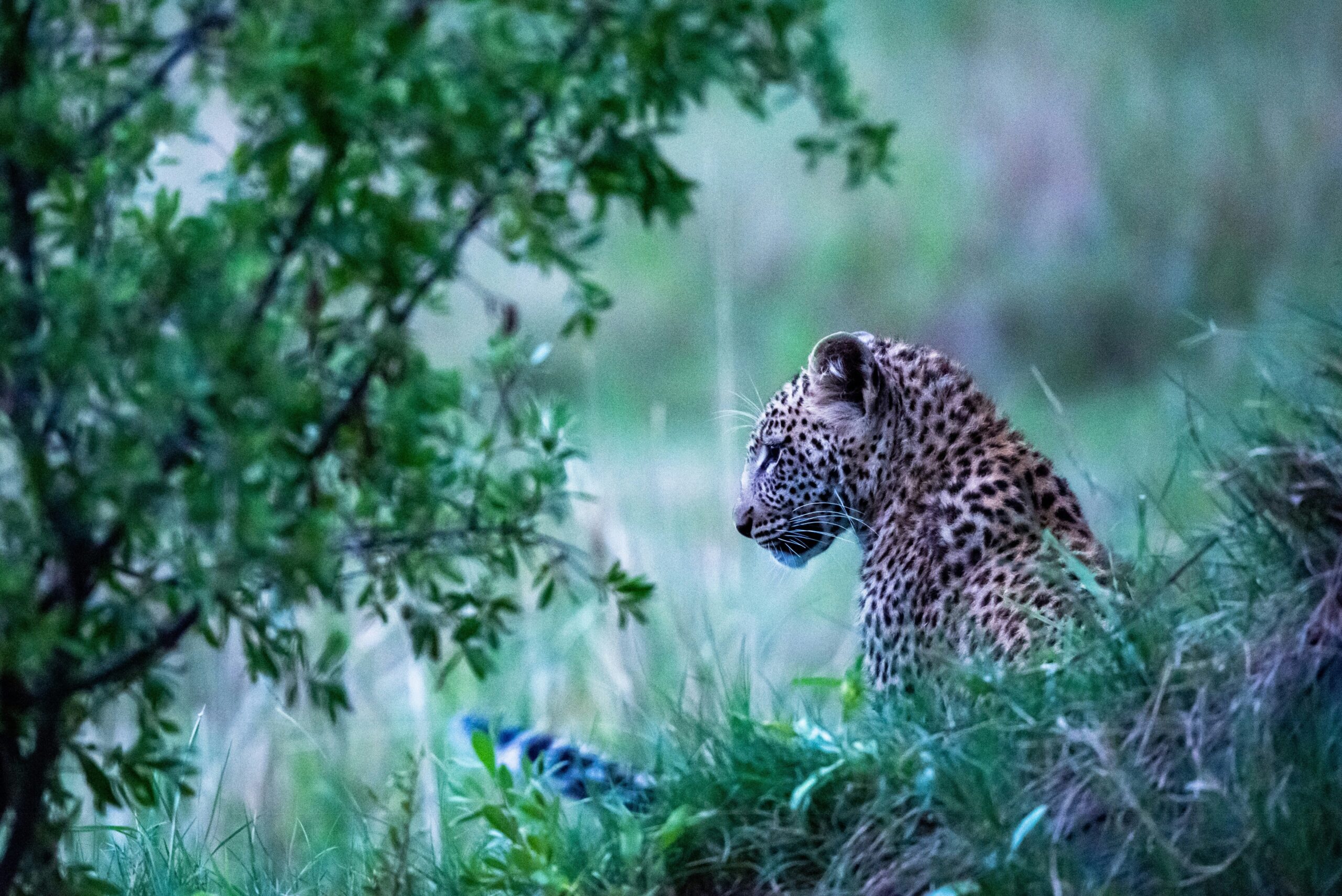
The natural world is an intricate web of life where plants, animals, and ecosystems depend on one another for survival. Wildlife habitats underpin this balance, providing essential resources such as food, shelter, and breeding grounds for countless species. As human activity continues to expand, these habitats face increasing pressure. Protecting them is vital not only for wildlife but also for the long-term health of the planet and humanity.
Understanding What Wildlife Habitats Provide
Wildlife habitats are more than just places where animals live. Forests, wetlands, grasslands, oceans, and deserts each play a unique role in maintaining ecological stability. They regulate climate, filter air and water, enrich soil, and support biodiversity.
Healthy habitats allow species to fulfill their natural roles. When animals and plants thrive in balanced environments, ecosystems function efficiently, supporting life far beyond their immediate boundaries.
The Growing Threat of Habitat Destruction
One of the most significant environmental challenges today is habitat destruction. Urban development, agriculture, mining, and infrastructure projects often lead to deforestation, wetland drainage, and land fragmentation. These changes reduce available space for wildlife and disrupt natural behaviors such as migration and reproduction.
As habitats shrink or disappear, species are forced to compete for limited resources. This often results in population decline and, in extreme cases, extinction. Habitat loss is considered one of the leading causes of global biodiversity decline.
Biodiversity and Ecosystem Stability
Biodiversity refers to the variety of life within an ecosystem. Each species plays a specific role, whether as a predator, pollinator, decomposer, or producer. Preserving wildlife habitats ensures that these roles remain intact.
When biodiversity is reduced, ecosystems become fragile. They are less able to adapt to environmental changes, including climate shifts, natural disasters, and disease outbreaks. Protecting habitats helps maintain the resilience needed for ecosystems to recover and continue functioning.
How Habitat Protection Supports Climate Balance
Natural habitats play a critical role in regulating the Earth’s climate. Forests absorb carbon dioxide, wetlands store large amounts of carbon, and oceans help regulate global temperatures. These ecosystems act as natural buffers against climate change.
When habitats are destroyed, stored carbon is released into the atmosphere, accelerating global warming. Preserving and restoring natural areas is one of the most effective strategies for reducing greenhouse gas emissions and supporting climate stability.
Wildlife Habitats and Human Survival
The health of wildlife habitats is directly linked to human survival. Ecosystems provide clean air, fresh water, fertile soil, and food resources. Many medicines are derived from plants and organisms found in natural habitats.
Communities worldwide depend on healthy ecosystems for agriculture, fisheries, and tourism. When habitats are degraded, these livelihoods are threatened, leading to economic instability and food insecurity.
The Role of Habitats in Preventing Environmental Disasters
Natural habitats act as protective barriers against environmental disasters. Wetlands absorb floodwaters, forests prevent soil erosion, and mangroves protect coastal areas from storms. When these ecosystems are damaged or removed, communities become more vulnerable to natural disasters.
Preserving wildlife habitats reduces the need for costly artificial infrastructure and helps protect human settlements from environmental risks.
Habitat Preservation and Public Health
Healthy ecosystems help regulate diseases by maintaining natural balances among species. When habitats are disrupted, wildlife is often pushed closer to human populations, increasing the risk of disease transmission.
Preserving habitats reduces the risk of zoonotic disease transmission by maintaining natural barriers between wildlife and human communities. Habitat conservation is therefore an essential component of global public health.
Economic Benefits of Conserving Natural Habitats
Wildlife habitats contribute significantly to local and global economies. Ecotourism, sustainable forestry, and fisheries rely on healthy ecosystems. Protected natural areas attract visitors, create jobs, and support long-term economic growth.
Habitat preservation also reduces future costs associated with environmental damage. Preventing pollution, flooding, and land degradation through natural systems is often more affordable than repairing damage after it occurs.
The Problem of Habitat Fragmentation
Habitat fragmentation occurs when large natural areas are divided into smaller, isolated sections. Roads, cities, and farmland often disrupt wildlife movement, limiting access to food, mates, and seasonal migration routes.
Fragmented habitats reduce genetic diversity and increase vulnerability to extinction. Preserving connected landscapes and wildlife corridors allows species to move freely and adapt to environmental changes.
Conservation Efforts and Protected Areas
Protected areas such as national parks, wildlife reserves, and conservation zones play a vital role in habitat preservation. These areas provide safe environments where ecosystems can function with minimal human disturbance.
Effective conservation requires collaboration between governments, organizations, and local communities. Sustainable land management, habitat restoration, and responsible resource use are essential for long-term success.
How Individuals Can Support Habitat Preservation
Habitat preservation is not solely the responsibility of policymakers and conservation groups. Individuals can make meaningful contributions through everyday choices. Reducing waste, supporting sustainable products, and conserving energy help relieve pressure on natural habitats.
Community involvement in tree-planting, cleanup initiatives, and conservation programs strengthens local ecosystems. Small actions, when combined, can lead to significant positive change.
Education and Awareness as Tools for Conservation
Education plays a crucial role in protecting wildlife habitats. Understanding how ecosystems function and why they matter empowers people to make informed decisions.
Schools, media, and community programs can raise awareness about environmental challenges and solutions. Informed communities are more likely to support conservation policies and sustainable practices.
Building a Future of Coexistence
Preserving wildlife habitats is essential for creating a future in which humans and nature coexist sustainably. As populations grow and development continues, thoughtful planning and respect for natural systems become increasingly important.
By prioritizing habitat protection, societies can safeguard biodiversity, combat climate change, and ensure access to vital natural resources for generations to come.
A Shared Responsibility for Nature
Protecting wildlife habitats is a shared responsibility that benefits all life on Earth. These ecosystems support biodiversity, stabilize the climate, and sustain human communities.
Through conservation efforts, education, and collective action, it is possible to protect and restore the natural landscapes that sustain us. Preserving wildlife habitats today is an investment in a healthier, more resilient planet for the future.