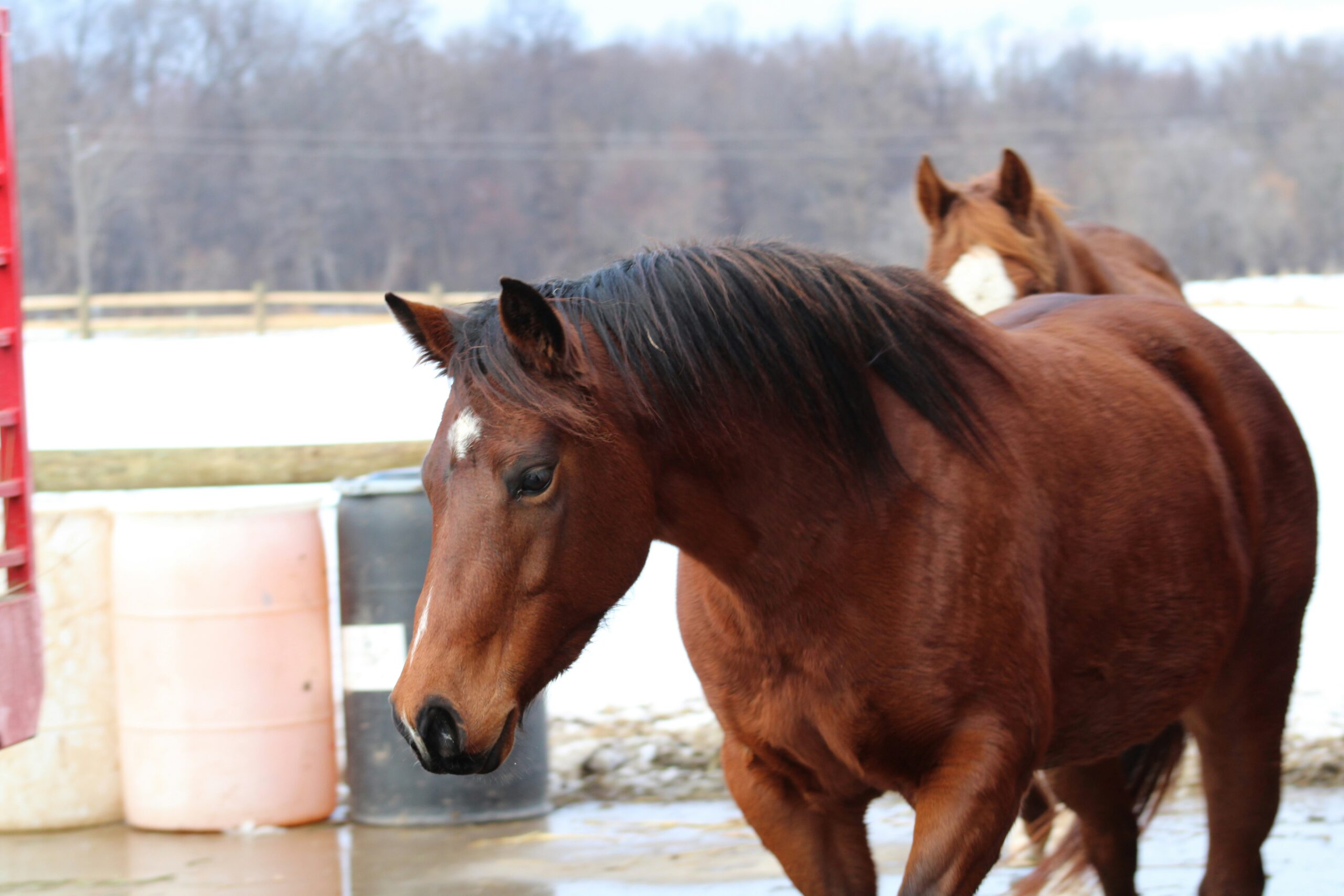
Every year, thousands of horses across the United States face uncertain futures. Some endure neglect, while others lose their homes because of financial hardship, illness, or changing circumstances. Although many people admire horses for their beauty and strength, fewer understand the urgent need for equine rescue and rehabilitation. Therefore, giving rescue horses a second chance not only saves lives but also strengthens communities and promotes responsible horse ownership.
Understanding the Reality of Rescue Horses
Rescue horses come from many different backgrounds. Some once thrived in competitive arenas. Others worked on ranches or lived as cherished companions. However, when owners struggle with rising feed costs, veterinary bills, or unexpected life changes, they sometimes surrender their horses. In more tragic situations, authorities remove horses from neglectful or abusive environments.
Consequently, horse rescue organizations step in to provide immediate care. They offer food, medical treatment, and safe shelter. Moreover, they assess each horse’s physical and emotional condition before planning rehabilitation. Because horses form strong bonds and respond deeply to their environment, compassionate care is vital to their recovery.
The Importance of Equine Rehabilitation
Equine rehabilitation programs focus on restoring health, trust, and usability. First, veterinarians and trained staff address urgent medical concerns. They treat malnutrition, dental issues, hoof problems, and injuries. As a result, horses gradually regain strength and stability.
Next, trainers begin retraining rescue horses with patience and consistency. Since some horses experienced trauma, they require gentle handling and structured routines. Over time, steady interaction rebuilds their confidence. Furthermore, positive reinforcement encourages cooperation and reduces fear-based behaviors.
Equine rehabilitation also includes mental stimulation. For example, groundwork exercises help horses learn boundaries and communication cues. In addition, light riding sessions, when appropriate, prepare them for adoption into new homes. Because every horse responds differently, rescue teams tailor programs to meet individual needs.
Why Adopting a Rescue Horse Makes a Difference
When individuals choose to adopt a rescue horse, they create space for another animal in need. Therefore, adoption directly supports the cycle of rescue and recovery. Instead of purchasing from breeders or auctions, adopters give a deserving horse a second chance at life.
Adopting rescue horses also offers emotional rewards. Many adopters describe a deep sense of fulfillment as they watch a neglected horse transform into a trusting companion. Moreover, rescue horses often display remarkable resilience. Once they receive consistent care and attention, they frequently develop strong loyalty toward their new owners.
Financially, adoption often costs less than buying a horse through traditional channels. While adopters still assume responsibility for feed, veterinary care, and training, they avoid inflated purchase prices. In addition, reputable rescues conduct evaluations and disclose health conditions upfront, which helps adopters make informed decisions.
Responsible Horse Ownership After Adoption
Giving rescue horses a second chance requires long-term commitment. Therefore, prospective adopters must carefully evaluate their resources. Horses demand daily care, regular veterinary visits, farrier services, and proper nutrition. Without consistent management, even healthy horses can decline quickly.
Responsible horse ownership begins with education. New owners should learn about feeding schedules, pasture management, and seasonal care. Furthermore, they should establish relationships with a trusted veterinarian and a farrier. Preventative care, including vaccinations and dental checkups, protects the horse’s overall well-being.
Training also remains essential. Even well-rehabilitated horses benefit from continued guidance. By investing time in groundwork and riding practice, owners reinforce trust and maintain safe behavior. As a result, the partnership between horse and human grows stronger over time.
Community Impact of Horse Rescue Organizations
Horse rescue organizations do more than save animals. They educate communities about ethical treatment and responsible breeding. In addition, many rescues host open houses, volunteer programs, and youth outreach events. These initiatives inspire compassion and awareness among future generations.
Volunteers play a crucial role in daily operations. They feed horses, clean stalls, assist with grooming, and support fundraising events. Consequently, volunteers form meaningful connections with the animals they help. Many eventually become advocates for equine welfare within their own networks.
Moreover, local businesses often collaborate with rescues through sponsorships and donations. Feed stores, veterinary clinics, and farm supply companies contribute resources that reduce operational costs. Through these partnerships, communities unite around a shared mission to protect vulnerable horses.
Challenges Facing Equine Rescue Efforts
Although many organizations work tirelessly, they face significant challenges. Rising hay prices, land costs, and veterinary expenses strain limited budgets. Additionally, rescues often operate at full capacity. When new cases arise, they must balance urgency with available space.
Furthermore, misinformation sometimes discourages potential adopters. Some people assume rescue horses carry severe behavioral problems. However, with proper rehabilitation and honest assessments, many rescue horses integrate smoothly into new homes. Education remains key to overcoming these misconceptions.
Another challenge involves long-term sustainability. Rescues rely heavily on donations and grants. Therefore, consistent community support determines how many horses they can help each year. By spreading awareness about giving rescue horses a second chance, advocates encourage broader participation.
How Individuals Can Support Rescue Horses
Even those who cannot adopt a horse can make a meaningful difference. For instance, monthly donations provide stable funding for feed and medical supplies. Additionally, sponsoring a specific horse helps cover individual rehabilitation costs.
People can also volunteer their time. Grooming, administrative tasks, and event planning all support daily operations. Furthermore, sharing educational content on social media expands outreach. When more people understand the importance of horse rescue, adoption rates increase.
Hosting fundraising events, such as charity rides or community fairs, also raises awareness and financial support. As communities engage actively, rescue organizations strengthen their ability to respond to urgent cases.
A Future Built on Compassion and Commitment
Giving rescue horses a second chance reflects a broader commitment to compassion and accountability. Horses depend entirely on human care. Therefore, society carries a responsibility to protect them from neglect and abandonment.
When individuals adopt a rescue horse, volunteer at a sanctuary, or donate to an equine rehabilitation program, they contribute to lasting change. Each action creates ripple effects that extend beyond a single animal. Over time, these collective efforts reduce suffering and promote humane standards across the equine industry.
Ultimately, rescue horses demonstrate resilience, strength, and an extraordinary capacity to trust again. With proper care and patient guidance, they thrive in loving homes. As more people recognize the value of adoption and responsible ownership, the movement to give rescue horses a second chance continues to grow. Through dedication, education, and community support, countless horses can step into brighter futures filled with safety, dignity, and renewed hope.