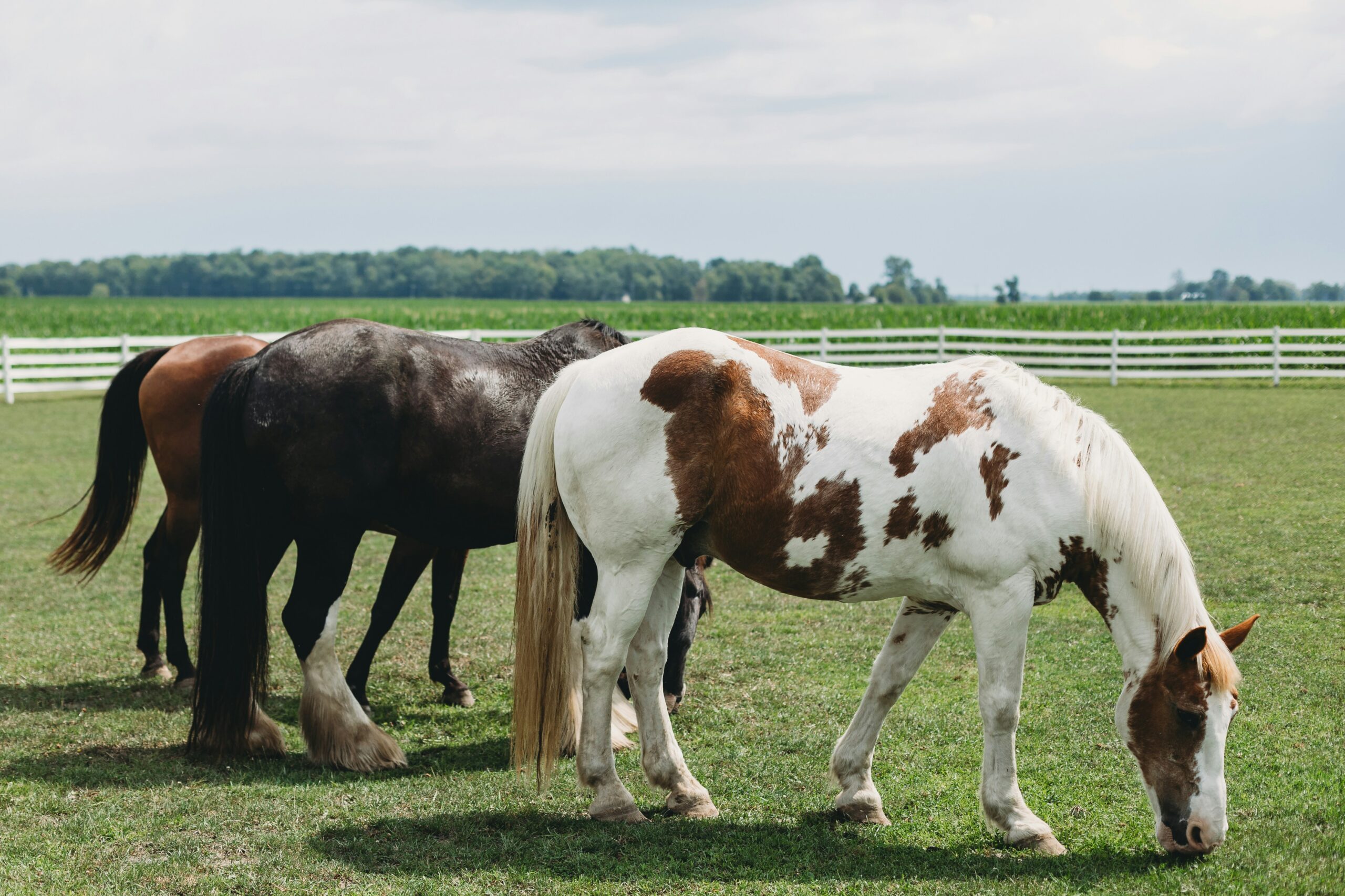
Raising horses has shaped my character in ways few other experiences could, and the lessons I’ve learned from them continue to influence how I approach work, leadership, and daily life. Although many people see horses as strong and independent animals, they require consistent care, emotional awareness, and structured training. Therefore, anyone involved in raising horses quickly realizes that success depends on patience, discipline, and trust. Moreover, the bond between humans and horses reveals insights into responsibility, communication, and resilience that apply far beyond the barn.
Patience Builds Real Progress
Raising horses teaches patience from the very first day. A young horse does not respond perfectly to commands, and it will not master new skills overnight. Instead, progress comes in small, steady steps. Therefore, handlers must slow down and respect the learning curve. When you rush training, the horse senses frustration, and cooperation declines.
In addition, horses react to the emotional state of the person working with them. If you remain calm and consistent, the horse feels secure and learns faster. Consequently, patience becomes more than a virtue; it becomes a strategy for success. Over time, this lesson carries into everyday life, where steady effort often produces better results than quick action.
Consistency Creates Trust
Trust forms the foundation of raising horses. Every feeding time, grooming session, and training routine builds reliability. When you show up at the same time each day, the horse learns to depend on you. As a result, your presence becomes a source of comfort rather than stress.
Furthermore, inconsistency confuses horses and slows their development. If rules change without warning, the horse hesitates and may resist. Therefore, consistent signals and routines strengthen communication. This principle also applies to leadership and teamwork, where stable expectations create confidence and loyalty.
Clear Communication Prevents Conflict
Horses rely on body language more than words. During raising horses, you learn to control posture, tone, and movement. Even small gestures send powerful signals. For example, a relaxed stance encourages calm behavior, while tense movements can trigger anxiety.
Because horses respond instantly to nonverbal cues, clarity matters: mixed signals lead to confusion, which leads to mistakes. Consequently, you learn to give direct, simple instructions. This skill improves relationships outside the barn as well, since clear communication reduces misunderstandings and builds respect.
Responsibility Shapes Character
Raising horses demands daily commitment. Horses need fresh water, quality feed, exercise, and medical care regardless of weather or personal mood. Therefore, excuses have no place in the stable. The animal depends entirely on your reliability.
Moreover, this responsibility builds discipline. When you care for a thousand-pound animal, you cannot cut corners. Small oversights can cause serious problems. As a result, you develop strong habits of preparation and accountability that influence every area of life.
Leadership Requires Calm Confidence
A horse looks for direction from its handler. If you hesitate or show fear, the horse may test boundaries. However, when you project calm confidence, the horse relaxes and follows your lead. Therefore, raising horses strengthens natural leadership abilities.
At the same time, leadership with horses does not mean force. Instead, it means guiding with steady energy and clear expectations. Because horses respond better to fairness than aggression, you learn to balance authority with respect. This balanced leadership style proves effective in business, family life, and community roles.
Adaptability Strengthens Problem Solving
No two horses behave the same. While one may learn quickly, another may require extra repetition. Consequently, raising horses teaches flexibility. You must adjust training methods to fit the individual animal rather than forcing one rigid approach.
Additionally, unexpected challenges often arise. Weather changes, minor injuries, or behavioral setbacks demand quick decisions. Therefore, you develop strong problem-solving skills. Instead of reacting emotionally, you analyze the situation and choose a practical solution.
Hard Work Produces Visible Results
Raising horses involves physical labor. Cleaning stalls, repairing fences, and maintaining equipment require steady effort. However, the results appear clearly in the horse’s health and performance. Therefore, hard work connects directly to visible progress.
In addition, training sessions reflect the effort invested. When a horse masters a new skill, the accomplishment feels earned. Because improvement does not happen by chance, you gain deep respect for persistence. This mindset encourages long-term commitment to other goals.
Emotional Control Influences Outcomes
Horses mirror human emotions with surprising accuracy. If you approach them with anger or stress, they respond with tension. Therefore, raising horses forces you to manage your feelings. Emotional control becomes necessary for safety and success.
Furthermore, calm energy promotes cooperation. When you breathe steadily and maintain focus, the horse senses stability. As a result, training sessions improve. This lesson extends into professional and personal settings, where controlled reactions often lead to better outcomes.
Small Details Matter Greatly
While raising horses, you quickly learn that small details carry major consequences. A loose nail in a fence or an ill-fitting saddle can cause injury. Therefore, careful inspection becomes routine. Attention to detail protects both horse and handler.
Likewise, subtle changes in behavior may signal health concerns. A slight limp or reduced appetite requires immediate attention. Because early action prevents larger issues, vigilance becomes second nature. This awareness sharpens observation skills in every area of life.
Partnership Leads to Mutual Growth
The most meaningful lesson from raising horses is about partnership. A horse does not simply obey; it cooperates when trust exists. Therefore, the relationship becomes a shared journey rather than a one-sided command structure.
Over time, both horse and handler grow together. As the horse gains strength and confidence, the handler gains wisdom and patience. Consequently, raising horses becomes more than a task; it becomes a transformative experience that shapes perspective and character.