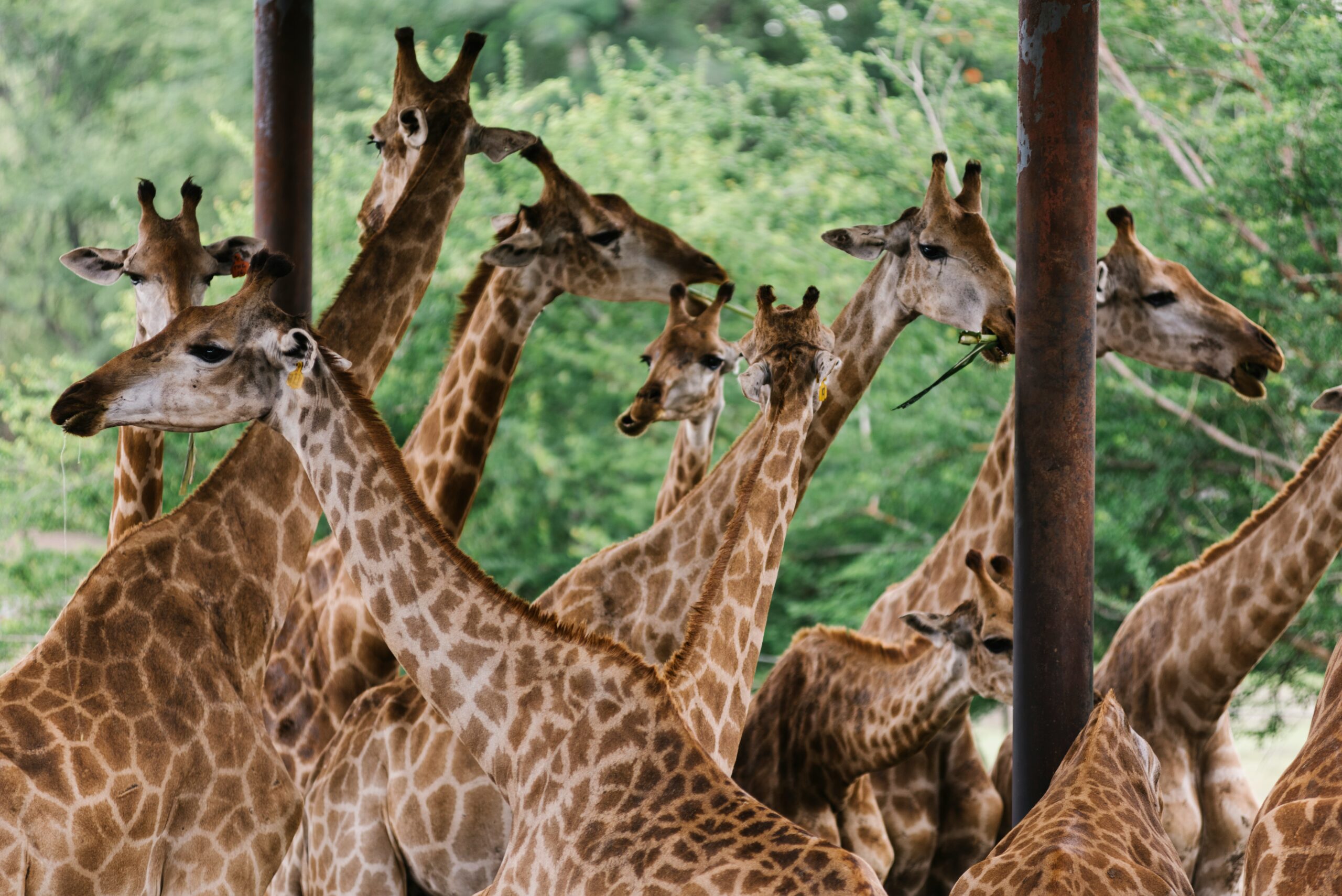
Wildlife habitats are the living framework that supports life across the planet. These natural environments provide food, shelter, and space for plants and animals to survive and interact. Preserving wildlife habitat is not only about protecting animals in the wild; it is about safeguarding ecological stability, supporting human life, and maintaining the natural systems that keep the planet healthy. As human activities continue to reshape landscapes, protecting these habitats has become a shared responsibility with lasting consequences.
The Role of Habitats in Natural Harmony
Every wildlife habitat plays a vital role in maintaining balance within nature. Forests, wetlands, deserts, and oceans each support complex relationships among species. These relationships help regulate population levels, recycle nutrients, and maintain clean air and water. When habitats remain intact, ecosystems can function as they are meant to.
When a habitat is damaged or destroyed, this balance is disrupted. Species may decline or disappear, leading to overpopulation of others or the collapse of food chains. Preserving wildlife habitat allows nature to regulate itself, reducing the risk of ecological breakdown and ensuring long-term environmental stability.
Biodiversity Thrives Where Habitats Are Protected
Biodiversity depends on healthy habitats. A wide variety of species contributes to stronger ecosystems that can better withstand disease, invasive species, and environmental changes. Wildlife habitats provide the conditions needed for species to grow, reproduce, and evolve naturally.
Habitat loss is one of the main reasons species face extinction today. As land is cleared for development or polluted by human activity, wildlife is forced into smaller and less suitable areas. Protecting habitats helps preserve biodiversity, which is essential for ecosystem resilience and the overall health of the planet.
The Connection Between Habitats and Human Survival
Human life is deeply connected to wildlife habitats, even when it is not immediately apparent. Natural ecosystems provide essential resources such as clean water, fertile soil, and raw materials. Forests regulate rainfall and improve air quality, while wetlands reduce flooding and filter pollutants from water.
Beyond physical needs, natural habitats also support emotional and mental well-being. Access to green spaces and natural landscapes has been linked to reduced stress and improved quality of life. Preserving wildlife habitat means preserving spaces that benefit both environmental health and human happiness.
Climate Stability Depends on Healthy Ecosystems
Wildlife habitats play a significant role in regulating the climate. Trees and plants absorb carbon dioxide, helping reduce the concentration of greenhouse gases in the atmosphere. Oceans and wetlands store vast amounts of carbon and help regulate temperature and weather patterns.
When habitats are destroyed, stored carbon is released, contributing to climate instability. Preserving and restoring natural habitats is one of the most effective ways to address climate challenges naturally. Healthy ecosystems also give wildlife the flexibility to adapt to changing conditions by allowing movement and migration.
Economic Benefits of Habitat Conservation
Preserving wildlife habitat offers substantial economic advantages. Natural areas support industries such as agriculture, fishing, and tourism. Pollinators that live in healthy habitats are essential for crop production, while clean rivers and oceans sustain fisheries.
Nature-based tourism generates income and jobs for many communities. When habitats are preserved, these economic benefits can continue for generations. In contrast, environmental damage often leads to costly recovery efforts. Conservation is a practical investment that reduces long-term expenses and promotes sustainable development.
Modern Pressures on Wildlife Habitats
Wildlife habitats face increasing pressure from expanding cities, industrial activity, pollution, and climate shifts. Roads and buildings divide natural areas, making it harder for animals to find food and mates. Pollution contaminates ecosystems, weakening both wildlife and plant life.
Climate-related events such as droughts, wildfires, and rising sea levels add further stress. These challenges make habitat preservation more urgent than ever. Protecting existing habitats and restoring damaged ones can help reduce these pressures and strengthen natural resilience.
Conservation as a Path Forward
Preserving wildlife habitat requires thoughtful planning and long-term commitment. Conservation efforts help protect land and water while encouraging sustainable use of natural resources. When people work with nature instead of against it, ecosystems are more likely to recover and thrive.
Habitat preservation also supports education and awareness. Understanding the value of natural spaces encourages responsible choices that reduce environmental harm. Each protected habitat represents a step toward a healthier planet and a more balanced relationship between people and nature.
A Shared Responsibility for the Future
The future of wildlife habitats depends on actions taken today. Protecting these spaces ensures that ecosystems continue to provide life-supporting services such as clean air, fresh water, and fertile land. It also ensures that wildlife can survive and flourish in their natural environments.
Preserving wildlife habitat is not only an environmental goal; it is a promise to future generations. By valuing and protecting nature, society can create a world where development and conservation coexist. Healthy habitats lead to healthy ecosystems, resilient communities, and a sustainable future for all forms of life.