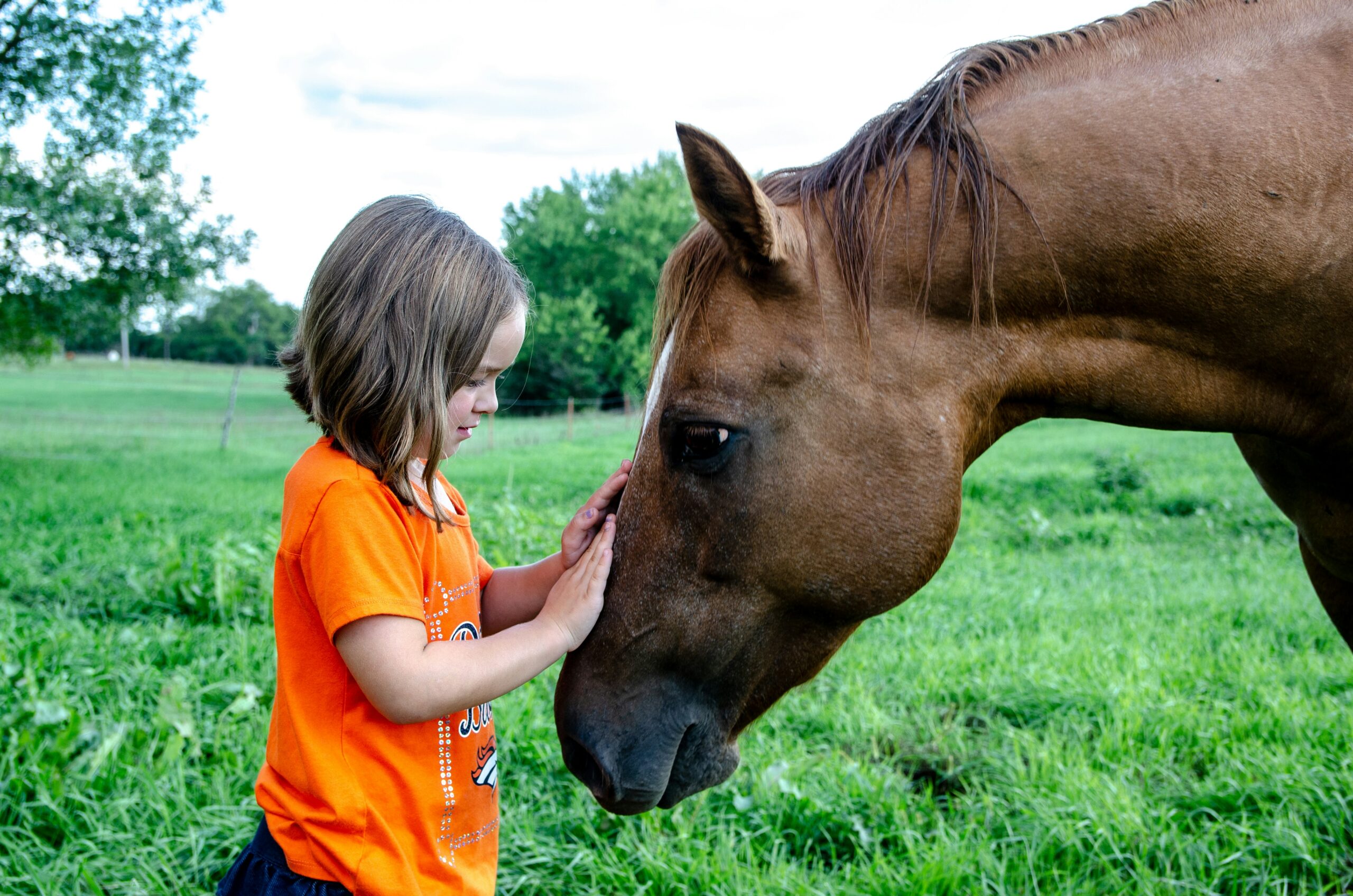
Giving rescue horses a second chance is a powerful act of compassion that transforms lives on both ends of the lead rope. Across the country, equine rescue organizations work tirelessly to save abused, neglected, and abandoned horses, offering them safety, medical care, and renewed purpose. These rescued horses often arrive frightened and broken, yet with proper rehabilitation and humane treatment, they can thrive again.
More than a rescue effort, this mission represents a commitment to ethical horse welfare and responsible equine ownership. By focusing on rehabilitation, adoption, and long-term care, rescue programs ensure that horses are valued as living beings rather than disposable assets. Each success story reinforces the belief that no horse is beyond hope.
Why Horses End Up in Rescue Situations
Many horses enter rescue facilities due to circumstances beyond their control. Economic hardship, lack of education about horse care, or sudden life changes can force owners to surrender animals they once loved. In other cases, horses may be abandoned, overworked, or bred without long-term planning, leaving them vulnerable when they are no longer profitable.
However, rescue does not imply a lack of worth. On the contrary, these horses often possess remarkable resilience. With time and proper support, they can recover physically and emotionally. Understanding the reasons behind their rescue helps communities address root causes, such as promoting responsible ownership and improving access to equine education.
The Rehabilitation Journey
Rehabilitation is a gradual process that focuses on restoring both health and confidence. Initially, veterinarians and caregivers address urgent medical needs, including malnutrition, injuries, or dental issues. Once stabilized, horses begin a routine that emphasizes consistency, gentle handling, and proper nutrition to rebuild their strength.
Meanwhile, emotional healing is just as important. Many rescue horses have experienced trauma, so patience becomes essential. Through calm interactions and positive reinforcement, caregivers help horses relearn trust. Over time, these animals often show remarkable progress, proving that healing is possible when empathy leads the way.
Training and Rediscovering Purpose
After rehabilitation, training helps rescue horses rediscover a sense of purpose. This stage varies depending on the horse’s age, physical condition, and temperament. Some horses are retrained for riding, while others excel as therapy animals, companions, or pasture pets. Importantly, training focuses on the horse’s well-being rather than performance alone.
As skills develop, confidence grows on both sides of the partnership. Trainers often note that rescue horses form especially strong bonds with humans, perhaps because they recognize kindness when it is offered. In this way, training becomes not just a practical step but a powerful reminder that trust can be rebuilt through consistency and care.
The Role of Adoption
Adoption is the ultimate goal for most rescue organizations, as it provides horses with permanent, loving homes. Prospective adopters are carefully matched with horses to ensure compatibility in experience, lifestyle, and expectations. This thoughtful process increases the likelihood of a successful, lifelong relationship.
Furthermore, adoption offers people a chance to become part of a meaningful story. By choosing a rescue horse, adopters actively support humane practices and give an animal the stability it deserves. In return, they often gain a loyal companion whose journey reflects resilience and renewal.
How Communities Make a Difference
Community involvement plays a vital role in sustaining rescue efforts. Volunteers contribute time and skills, donors provide financial support, and local partnerships help spread awareness. Together, these efforts create a network of care that extends beyond the rescue facility itself.
Equally important, education within the community helps prevent future neglect. Workshops, outreach programs, and open communication encourage responsible ownership and informed decision-making. As awareness grows, fewer horses fall through the cracks, and more people become advocates for humane treatment.
A Future Built on Compassion
The future of equine rescue depends on continued compassion, awareness, and action. Supporting horse rescue organizations, promoting ethical horse care, and encouraging adoption over purchase all play a critical role in reducing neglect and abandonment. When communities unite around horse welfare, lasting change becomes possible.
By giving rescue horses a second chance, we help create safer, healthier futures for vulnerable animals while strengthening our connection to them. Whether through adoption, volunteering, or advocacy, every effort matters. Together, we can ensure that rescued horses are no longer victims of circumstance but symbols of hope, healing, and humane care.