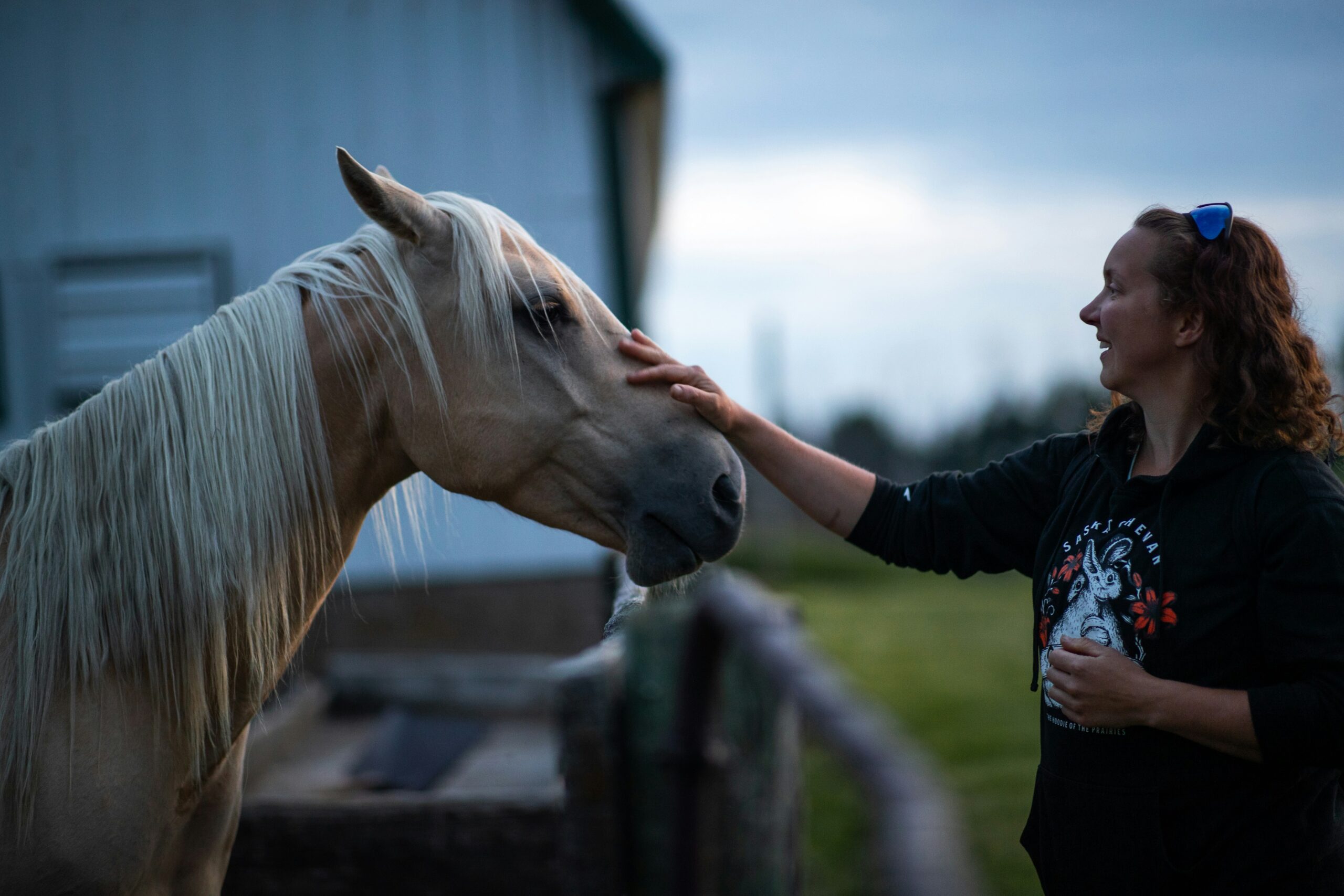
Rescue horses often come from difficult backgrounds, including neglect, abandonment, or unsafe living conditions. When they enter a rescue program, they finally get what they’ve been missing: proper care, nutritious food, and a safe place to rest. Even though their past may be painful, their future can still be full of comfort and purpose.
At the same time, giving these horses a second chance isn’t only about survival—it’s about restoring trust. With patience and consistency, many rescue horses begin to relax and show their true personalities. Over time, their fear fades, and hope takes its place.
Why Horses End Up in Rescue Programs
Many horses end up in rescues due to financial hardship, unexpected life changes, or a lack of long-term planning. Sometimes owners face job loss, illness, or housing issues and can no longer provide the space or money needed for proper care. As a result, horses may be surrendered even when they were once loved.
In other cases, horses are rescued from neglectful situations where they lacked food, clean water, or medical attention. Unfortunately, some are overworked or bred without a plan for their future. Thankfully, rescue organizations step in to protect them and provide the support they deserve.
The Healing Journey: From Survival to Stability
Once a horse arrives at a rescue, the first priority is usually medical evaluation. Many rescue horses need dental work, vaccinations, hoof trimming, and treatment for injuries or malnutrition. Although recovery can take time, each small improvement is a step toward a healthier life.
Just as importantly, emotional healing plays a major role in rehabilitation. Some horses arrive anxious or withdrawn, especially if they’ve been handled harshly. However, gentle routines, calm environments, and respectful training help them regain confidence and feel safe around people again.
The Role of Rescues and Sanctuaries
Rescue organizations do more than provide temporary shelter—they create a path forward. They work hard to assess each horse’s needs and develop individualized care plans. From daily feeding schedules to veterinary support, every detail matters when rebuilding a horse’s well-being.
In addition, sanctuaries and rescues often rely on community support to continue their mission. Donations, volunteers, and foster programs make it possible to care for more horses. Because of this teamwork, countless animals receive a real chance at a better life.
Training and Rehabilitation with Patience
Training a rescue horse isn’t about rushing results—it’s about building trust. Many rescued horses need time to adjust before they can learn basic skills, especially if they’ve been mishandled. With slow, consistent work, they can begin to understand boundaries and respond calmly.
Even so, rehabilitation can look different for every horse. Some may become excellent riding partners, while others thrive as companions or therapy animals. Either way, progress often comes through small wins, and each milestone becomes proof that healing is possible.
Matching the Right Horse with the Right Home
Finding the right home is one of the most important steps in giving a rescue horse a second chance. Rescues often evaluate adopters to ensure they have the space, experience, and resources needed. This careful process helps prevent horses from being rehomed again later.
Additionally, adopters benefit from being matched with a horse that fits their lifestyle. A calm older horse may be perfect for a quiet pasture home, while a younger horse may need someone ready for consistent training. When the match is right, both the horse and the adopter can truly thrive.
The Adoption Process and What to Expect
Adopting a rescue horse usually involves an application, an interview, and sometimes a site visit. This might feel like a lot at first, but it’s designed to protect the horse and set everyone up for success. After all, rescue horses deserve stability, not another uncertain transition.
Once approved, adopters may go through a trial period or receive guidance on care and handling. Many rescues offer ongoing support, which can be extremely helpful for first-time adopters. As a result, the adoption process becomes less stressful and much more rewarding.
Costs and Responsibilities of Caring for a Rescue Horse
While adoption fees are often lower than buying a horse privately, long-term care still requires planning. Horses need regular vet visits, farrier services, quality hay, and safe fencing. Therefore, adopters should budget carefully before bringing a horse home.
Beyond the financial side, daily responsibility matters just as much. Horses require consistent feeding, clean water, shelter, and attention to their health. Even when things get busy, rescue horses depend on routine and reliability, so commitment is essential.
How Rescue Horses Change People Too
Rescuing a horse can be deeply meaningful, especially for those who value compassion and second chances. Many adopters describe the experience as life-changing because they get to witness progress firsthand. Watching a once-frightened horse become calm and curious can be incredibly powerful.
At the same time, rescue horses often teach patience, empathy, and trust. Their stories remind people that healing takes time, but it’s worth it. In many cases, the bond formed through rescue and recovery becomes stronger than anything expected.
Ways to Support Rescue Horses Without Adopting
Not everyone can adopt a horse, but there are still plenty of ways to help. Donating supplies like feed, blankets, grooming tools, or medical items can make a huge difference. Even small contributions can support daily operations and improve a horse’s quality of life.
Volunteering is another valuable option, whether it’s helping with barn chores, fundraising, or social media outreach. Many rescues also offer sponsorship programs, allowing supporters to help cover the costs of a specific horse. That way, you can be part of the mission even without owning a horse.
Giving Rescue Horses a Second Chance Starts Today
Every rescue horse deserves safety, care, and the chance to feel secure again. While their past may include hardship, their future can be shaped by kindness and responsible support. With the right help, these horses can recover and live with dignity.
Ultimately, giving rescue horses a second chance is about creating hope where it once felt impossible. Whether you adopt, donate, or volunteer, your effort can change a life. And in return, you may discover that the experience changes you too.