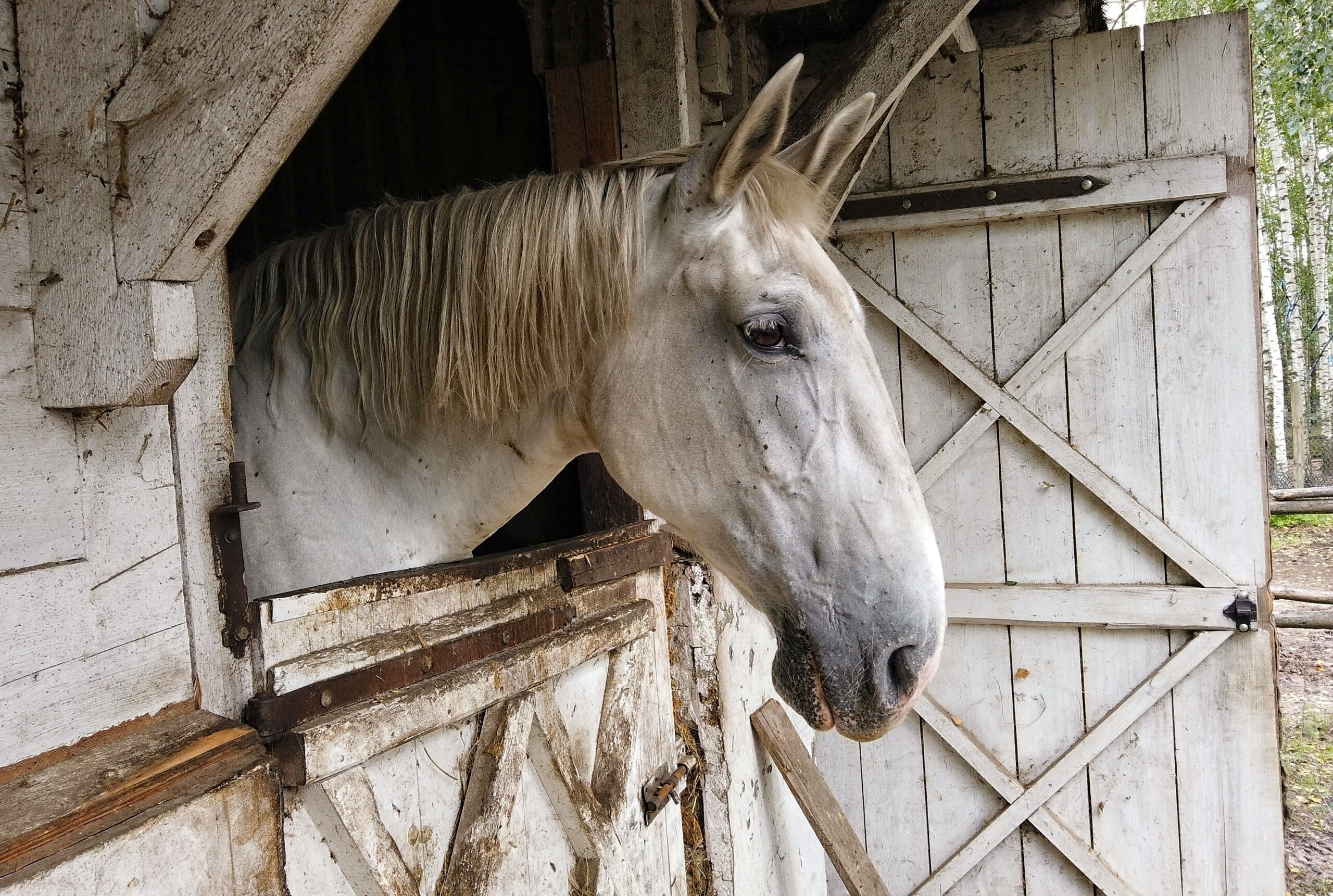
Rescue horses stand as powerful reminders of resilience. Many of them survive neglect, abandonment, or harsh working conditions, yet they still show remarkable strength and the ability to trust again. When compassionate people decide to rescue or adopt these horses, they transform lives—both the horses’ and their own. Giving rescue horses a second chance requires patience, informed care, and consistent support. When done well, the results become gratifying and truly life-changing.
Understanding the Reality Rescue Horses Face
Thousands of horses enter rescue organizations every year. Some come from abusive environments, while others arrive because owners can no longer provide care. Many suffer from poor nutrition, untreated injuries, or emotional trauma. Although these conditions create serious challenges, rescue organizations work tirelessly to reverse the damage. They evaluate each horse, create rehabilitation plans, and match them with adopters who can continue the progress.
Because rescue horses come from such varied backgrounds, no two stories unfold the same. Some horses bounce back quickly. Others need months before they feel comfortable with humans again. Even so, each step forward creates opportunities for the horses to heal. When people learn the history behind rescue horses, they approach adoption with greater understanding and compassion.
The Importance of Proper Rehabilitation
Rehabilitation stands at the heart of giving rescue horses a second chance. It begins the moment a horse arrives at a safe facility. Many horses need medical treatment, dental care, or specialized feeding plans. Skilled teams evaluate each horse’s condition and then guide them through structured routines that restore strength and confidence.
During the rehabilitation process, trainers use gentle, positive methods that encourage trust. Horses respond well to consistent handling, clear cues, and supportive environments. As their health improves, they begin to show renewed curiosity and energy. Because of that shift, adopters eventually meet horses who feel far more comfortable and ready to start the next chapter.
Rehabilitation also emphasizes emotional recovery. Horses remember fear, but they also recognize kindness. When caregivers show patience every day, horses learn that humans can offer safety instead of danger. This emotional grounding becomes essential for transitioning into new homes.
Why Adopting a Rescue Horse Matters
Choosing to adopt a rescue horse changes more than one life. It frees space at overcrowded rescues, allowing them to save additional horses. It also demonstrates that horses deserve chances beyond their past circumstances. People who adopt commit to providing stable environments where horses can thrive, grow, and rediscover purpose.
Adopters often form powerful bonds with their horses. Because rescue horses appreciate gentle leadership, they develop a sincere, deep trust. As they begin training, recreation, or simply everyday routines, the connection strengthens even more. Their transformation inspires communities and encourages others to choose rescue over buying from breeders.
Adoption also benefits the broader horse industry by reducing the number of animals shipped to auctions or placed in unsafe conditions. When adopters choose rescue horses, they actively support ethical, humane options that promote long-term welfare.
Building Trust Through Training and Patience
Training plays a significant role in preparing rescue horses for long-term homes. Horses thrive when they understand expectations, feel safe, and receive consistent guidance. Good training never relies on force. Instead, it uses encouragement, repetition, and clear communication.
Because rescue horses have diverse backgrounds, trainers must approach each horse with flexibility. Some horses already know basic commands. Others need to learn groundwork, handling, or even simple skills like haltering. When trainers introduce tasks step by step, horses gain confidence. As they succeed, they become more willing to try new things.
Trust develops gradually, and adopters should embrace this process with patience. Horses sense emotions, so calm, steady interactions help them relax. When adopters offer reassurance and predictable routines, horses respond with cooperation and loyalty. Over time, horses begin to look forward to training sessions because they associate them with positive experiences.
Creating Safe and Supportive Environments
A successful second chance begins with a safe and nurturing environment. Rescue horses often arrive fearful or uncertain, so calm surroundings help them adjust. Clean stalls, comfortable bedding, and reliable feeding schedules create structure. When horses feel secure, they begin to explore and interact more freely.
Adopters must also consider the physical environment. Spacious pastures, solid fencing, and safe shelters protect horses from injury. Access to fresh water and quality forage supports their continued recovery. Regular farrier care and veterinary checkups ensure long-term health.
Supportive environments extend beyond physical needs. Emotional safety matters as much. Horses benefit from gentle voices, predictable routines, and low-stress settings. Because these factors create a sense of comfort, horses begin to trust humans again. That trust opens the door to training, bonding, and complete rehabilitation.
How Community Support Strengthens Rescue Efforts
Rescue organizations depend heavily on community involvement. Volunteers help feed horses, clean stalls, assist with training, and provide companionship. Donors supply essential funding for feed, medical care, and facility improvements. Local businesses, riding clubs, and schools often partner with rescues to raise awareness and encourage adoption.
Community education also plays a crucial role. When people learn about responsible horse ownership, fewer horses end up in unsafe situations. Rescues often host clinics, seminars, and outreach events to teach best practices. These efforts create informed communities that recognize signs of neglect and take action when needed.
Strong community support leads to more success stories. Each adopted horse shows what compassion, dedication, and correct guidance can accomplish. These stories inspire others to get involved, reinforcing a cycle of care and rescue.
The Lifelong Rewards of Giving a Horse a Second Chance
Adopting a rescue horse brings lifelong rewards. Every day spent working with a once-neglected horse feels meaningful. Adopters witness dramatic transformations as horses regain health, confidence, and enthusiasm. Those moments stay with them forever.
Rescue horses often become cherished companions. They participate in trail riding, therapy programs, or simple quiet days at home. Some even excel in competitions once they regain strength and training. Regardless of their path, they remain grateful and connected to the people who believed in them.
Giving rescue horses a second chance enriches lives. Horses receive love and security, while adopters experience joy, fulfillment, and purpose. This exchange proves that compassion can rewrite even the most complex stories.